
Remodeling your home is one of the most significant investments you can make, financially, emotionally, and practically. Whether you are redesigning a kitchen, rethinking a bathroom, adding living space, or planning a full-scale renovation, the success of your project depends far more on planning than most homeowners realize.
The purpose of this Remodeling Guides library is simple. It is to provide clear, structured, experience-driven information before construction ever begins.
These guides are not trend roundups or surface-level inspiration pieces. They are practical planning resources designed to help you:
- Understand the remodeling process
- Anticipate timelines and budget categories
- Avoid common and costly mistakes
- Make informed design decisions
- Evaluate tradeoffs before committing to them
If you are in the early research phase, asking questions, comparing options, and trying to understand what is involved, start below with the guide that best matches your project.
EXPLORE
Start With the Guide That Matches Your Project
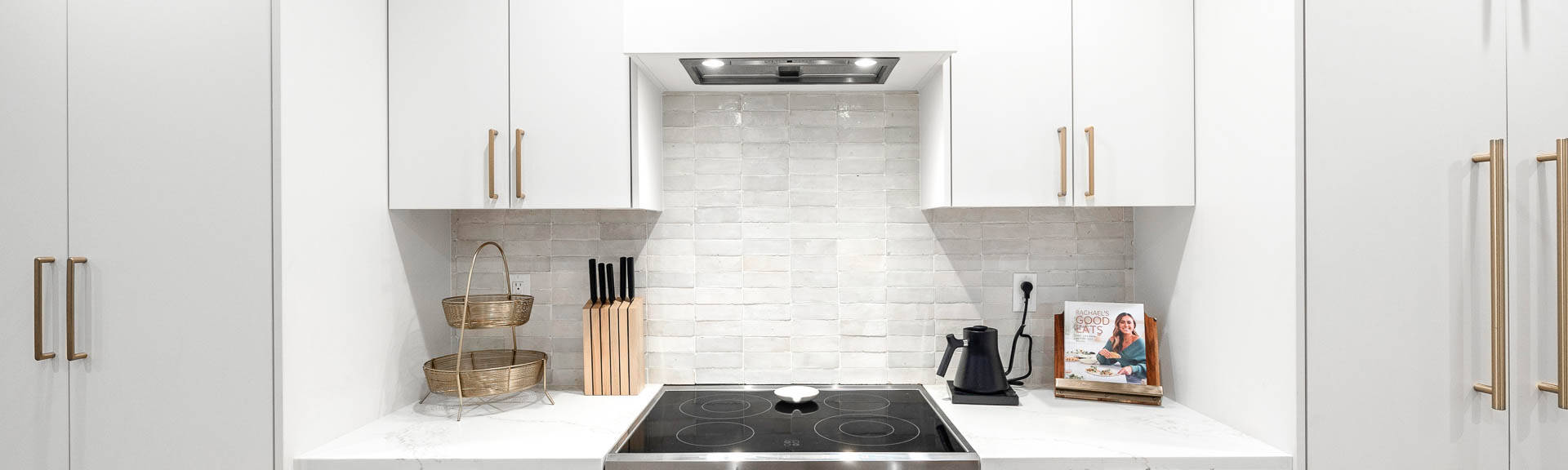
Kitchen Planning Guide
Planning a kitchen remodel requires more than selecting finishes and appliances. The most successful projects begin with workflow analysis, storage planning, layout strategy, and budget alignment.
INSIDE THE KITCHEN PLANNING GUIDE, YOU WILL LEARN:
- How to define your goals before designing
- Layout principles, including aisle spacing and island sizing
- Budget allocation frameworks
- Cabinet and storage planning strategies
- Material comparison guidance
- Realistic timeline expectations
- Common kitchen planning mistakes
If your kitchen feels inefficient, outdated, or disconnected from the way you actually live, this guide will help you clarify what needs to change before making design decisions.

Bathroom Planning Guide
Bathrooms are highly technical spaces. Waterproofing systems, ventilation, layout clearance requirements, and fixture placement all affect performance and longevity.
The Bathroom Planning Guide walks you through:
- Layout planning and minimum spacing standards
- Shower versus tub decision frameworks
- Moisture control and ventilation considerations
- Storage and vanity configuration
- Tile and material durability comparisons
- Budget breakdown structure
- Timeline and sequencing expectations
Because bathrooms combine design and engineering in a small footprint, early planning has an outsized impact on the final result.
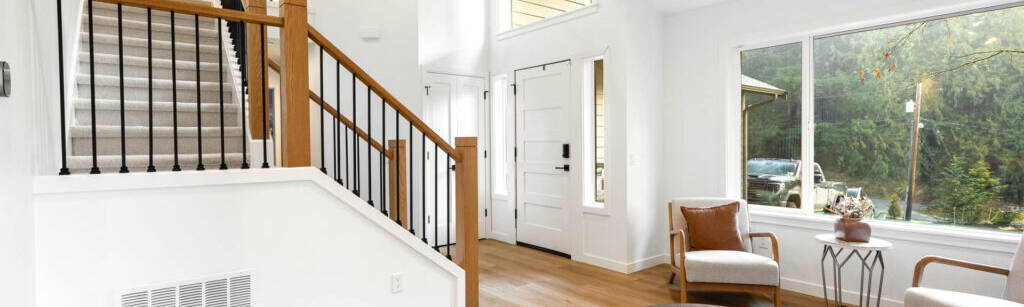
ADU Planning Guide
Accessory Dwelling Units have become an increasingly popular way to add flexible living space, rental potential, or multigenerational housing.
However, ADUs introduce layers of complexity beyond a typical remodel.
In the ADU Planning Guide, you will explore:
- Types of ADUs, including detached, attached, garage conversions, and basement conversions
- Privacy and layout strategies
- Utility and infrastructure considerations
- High-level zoning and permit factors
- Budget planning categories
- Timeline expectations
- Return on investment and long-term planning considerations
If you are considering building an ADU, start here to understand both the opportunities and constraints before moving forward.

Whole Home Renovation Guide
When multiple areas of a home need attention, piecemeal remodeling often creates inconsistencies and inefficiencies. A whole home renovation requires a different level of coordination and foresight.
This guide covers:
- When a full-scale renovation makes sense
- Remodel versus rebuild decision frameworks
- Structural and systems updates
- Living in your home during renovation
- Budget planning for large-scale projects
- Phased versus full renovation strategies
- Design cohesion across rooms
- Common large-project mistakes
If you are planning to transform your home rather than update a single space, this guide provides a structured starting point.
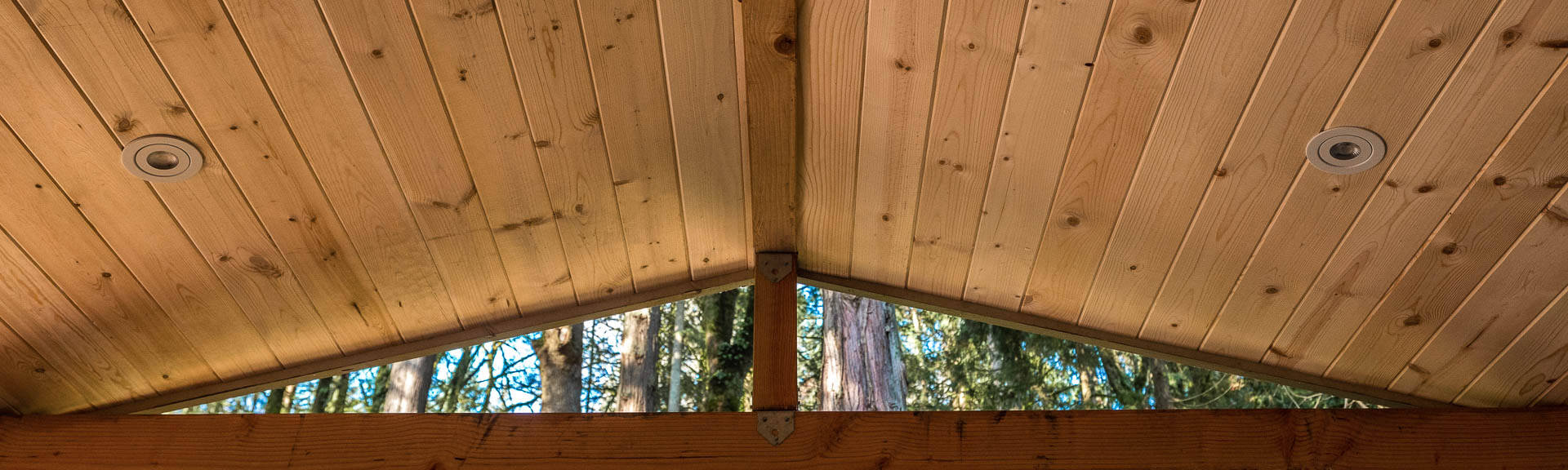
Home Addition Planning Guide
When space runs out, homeowners face a critical decision. Expand or relocate.
The Home Addition Planning Guide helps you evaluate:
- Types of additions, including room additions, second-story additions, and bump-outs
- Structural and foundation considerations
- Roofline and architectural integration
- Budget planning and cost drivers
- Timeline expectations
- Permit considerations
- When adding makes more sense than moving
Expanding a home requires thoughtful integration with the existing structure. Planning determines whether an addition feels seamless or disconnected.
PRINCIPLES
Core Planning Themes Across All Remodeling Projects
While each project type is different, several planning principles apply universally.
Function Comes Before Finishes
Homeowners often begin with design inspiration. Durable and successful remodels start with workflow, structure, and usability. Materials can be selected later. Layout decisions are much harder to reverse.
Budget Is a Framework, Not Just a Number
Effective budgeting involves allocation strategy, contingency planning, and understanding cost drivers, not simply setting a total amount.
Timeline Expectations Prevent Frustration
Permits, material lead times, inspections, and sequencing all influence schedule. Clear expectations reduce stress and change orders.
Structural and Systems Planning Is Critical
Electrical upgrades, plumbing reconfiguration, HVAC capacity, and insulation improvements often determine the true scope of a remodel.
Most Problems Start in the Planning Phase
Scope creep, rushed selections, and unrealistic timelines are among the most common reasons projects go over budget.
These themes appear throughout each guide and are worth understanding before any construction begins.
Where Should You Start?
If you are unsure which guide applies to your situation:
Updating one major room. Start with Kitchen or Bathroom Planning.
Adding living space. Review the Home Addition Guide.
Building a rental or guest unit. Begin with the ADU Guide.
Renovating multiple areas at once. Explore the Whole Home Guide.
FAQ
Frequently Asked Questions About Planning a Remodel
Start by defining your goals, identifying pain points in your current space, and establishing a realistic budget range. Avoid selecting finishes before understanding layout and structural considerations.
Planning timelines vary by scope. Design development, selections, and permitting can take several weeks to several months depending on project complexity.
Many remodeling projects require permits, especially when structural, plumbing, or electrical systems are involved. Requirements vary by project type.
Scope, layout changes, structural work, and material selection significantly influence total cost. Labor and systems upgrades are often major drivers.
It depends on budget, living circumstances, and long-term goals. Phased remodeling can reduce upfront cost but may increase overall disruption and coordination challenges.
Planning Before You Build
Remodeling is not just about transformation. It is about alignment. Aligning goals, budget, structure, timeline, and expectations before construction begins.
The more clearly you understand your project during the planning phase, the more predictable and successful the outcome will be.
Explore the guide that best matches your project and begin building your plan with clarity.