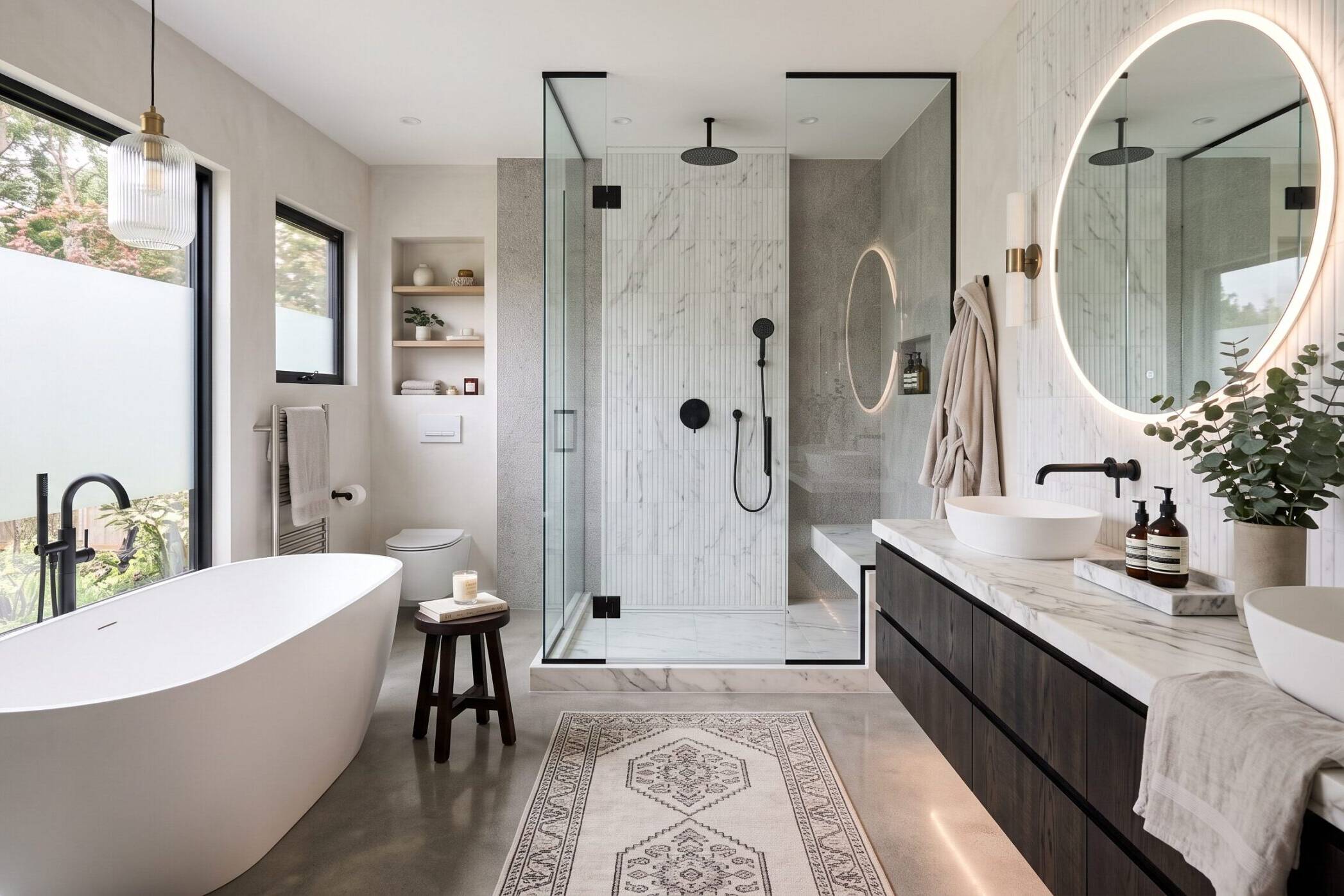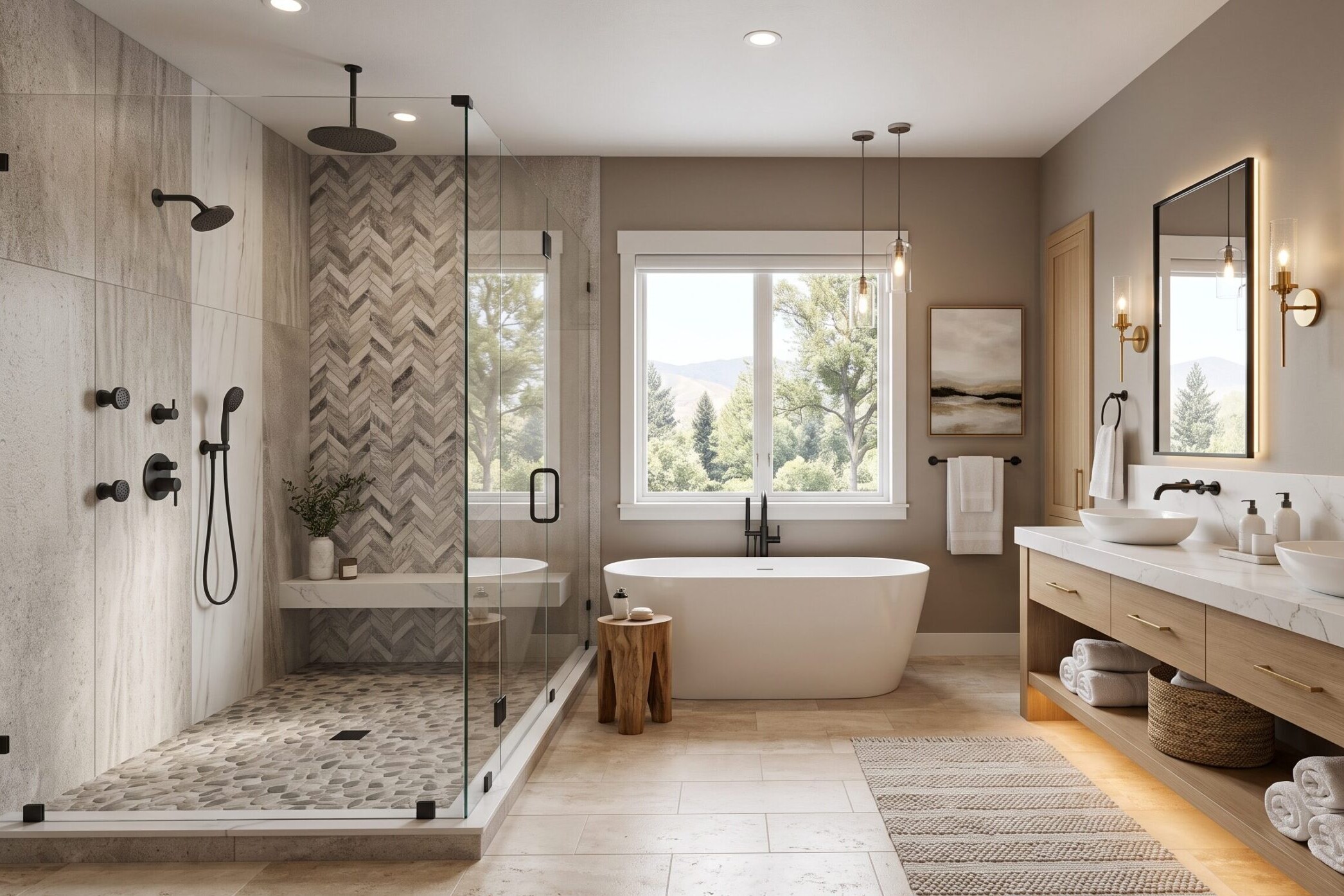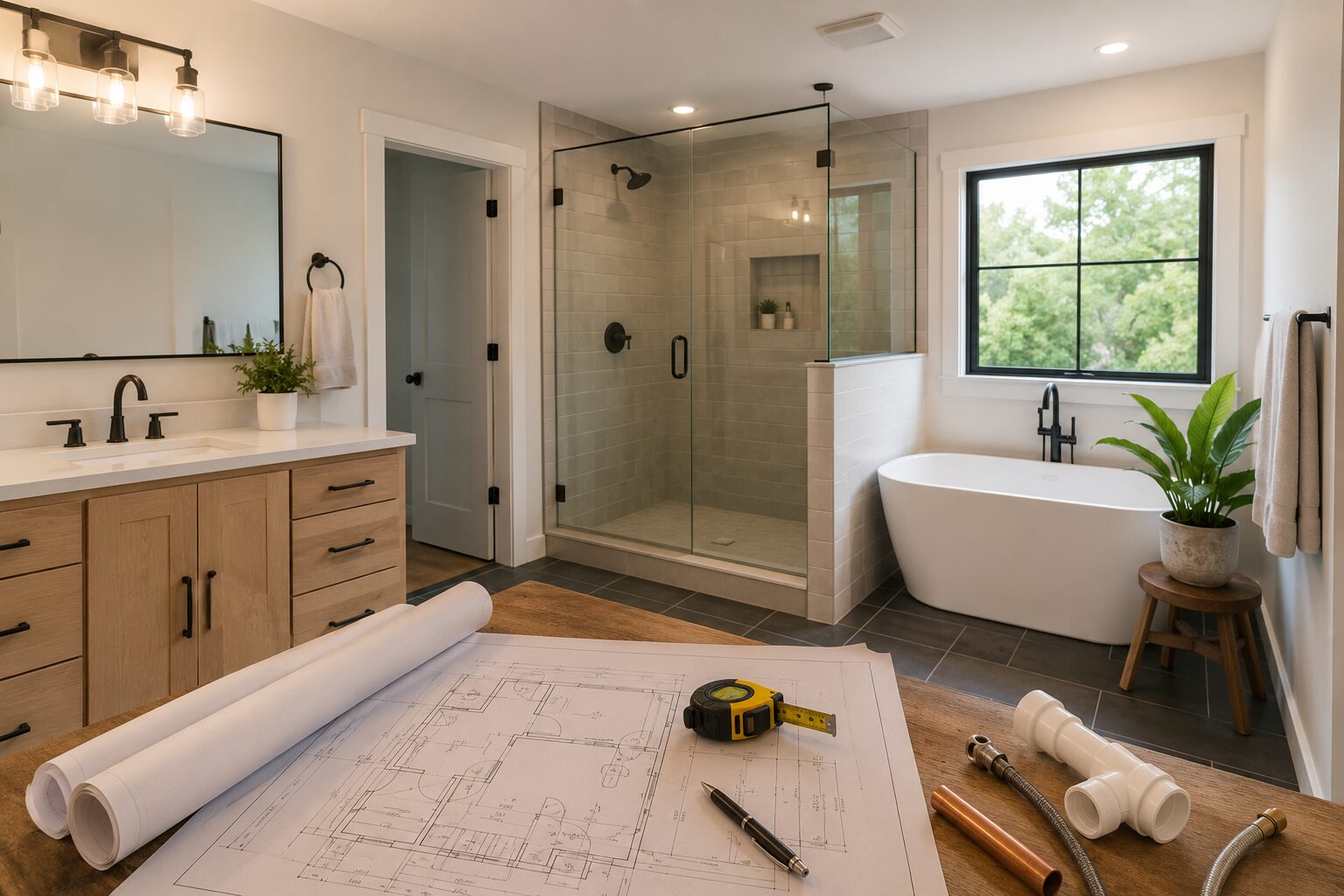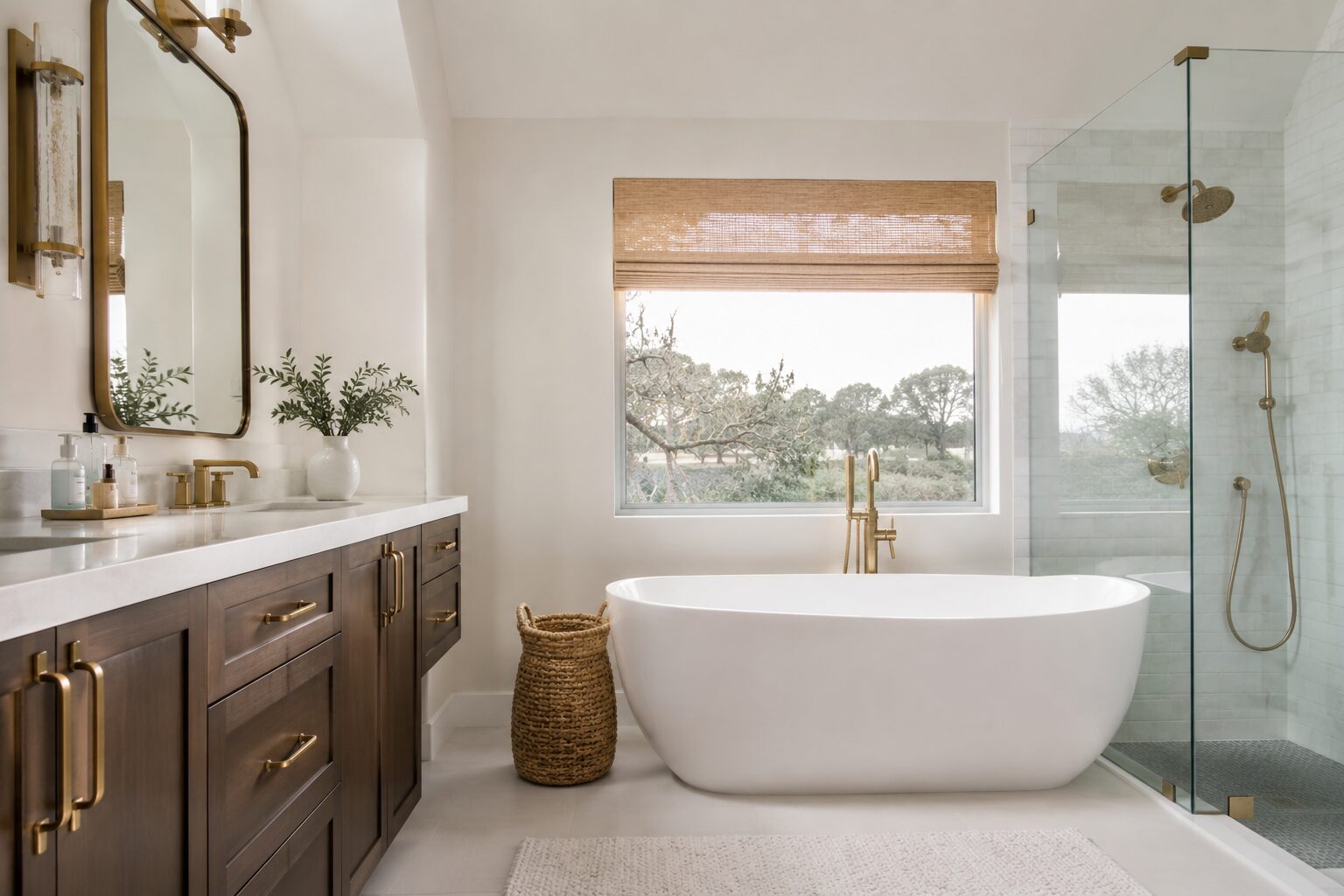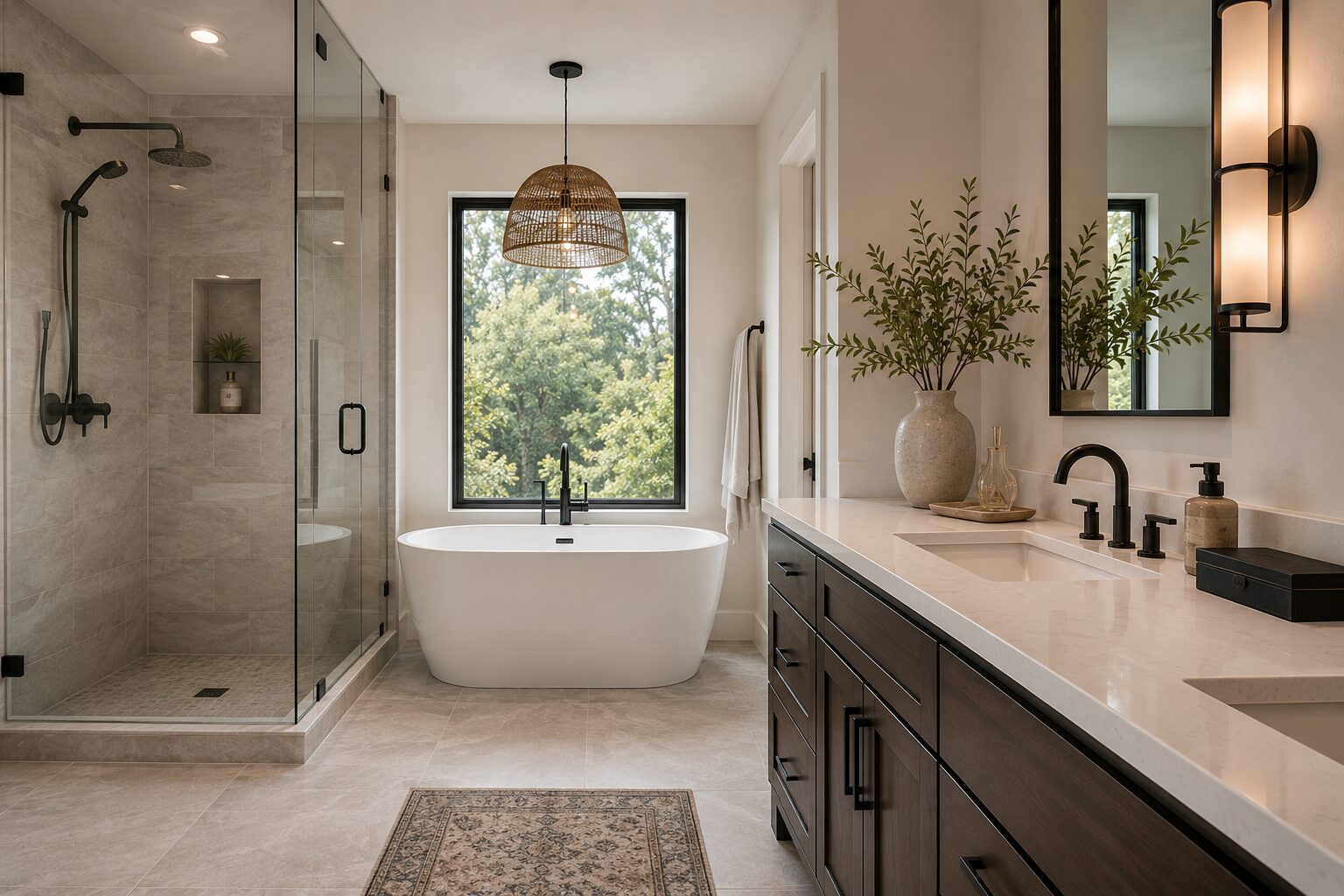
I always ask homeowners two questions: Is this the only bathroom with a tub? And do you plan to sell within 10 years? Those answers usually make the decision clear.
Zach Freimark
Owner, Freimark Construction
Walk-In Shower vs. Bathtub: Quick Answer
The best choice isn’t universal; it’s situational. For most homes, the ideal strategy is a hybrid approach. A walk-in shower can add a modern, accessible feel to a master or guest bath, but a bathtub remains essential for overall resale value, especially if it’s the only one in the home.
As a general rule, here’s how to think about it:
Primary Bathroom

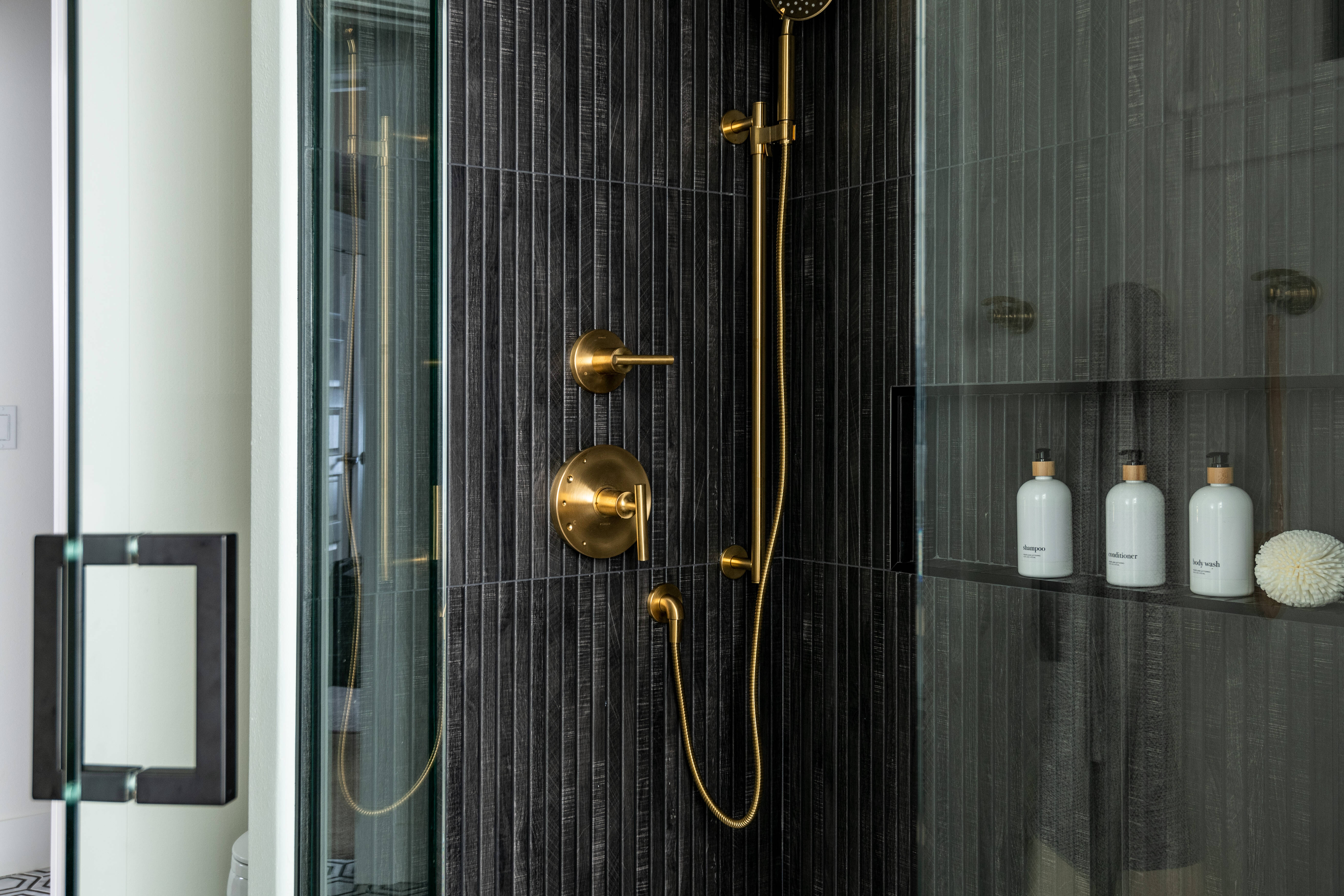
If you have another tub elsewhere, converting your master bath to a luxurious walk-in shower can create a spa-like retreat.
Secondary/Guest Bathroom
A walk-in shower is often a practical and preferred choice here.
The Only Bathroom in the House
To protect your property’s value, it is almost always best to keep a bathtub.
It’s Not Just a Style Choice – It’s a Financial One
When planning a bathroom remodel, one of the biggest decisions you’ll face is the classic debate: walk-in shower vs. bathtub. It’s more than just a style choice; it’s a decision that impacts your daily routine, your home’s functionality, and its future resale value in the competitive Boise market. Are you prioritizing a sleek, modern aesthetic and accessibility, or are you focused on maximizing your home’s appeal to the widest range of potential buyers? This guide breaks down the costs, benefits, and return on investment for both options to help you make the smartest choice for your home.
Walk-In Shower: Costs, Pros, and Cons
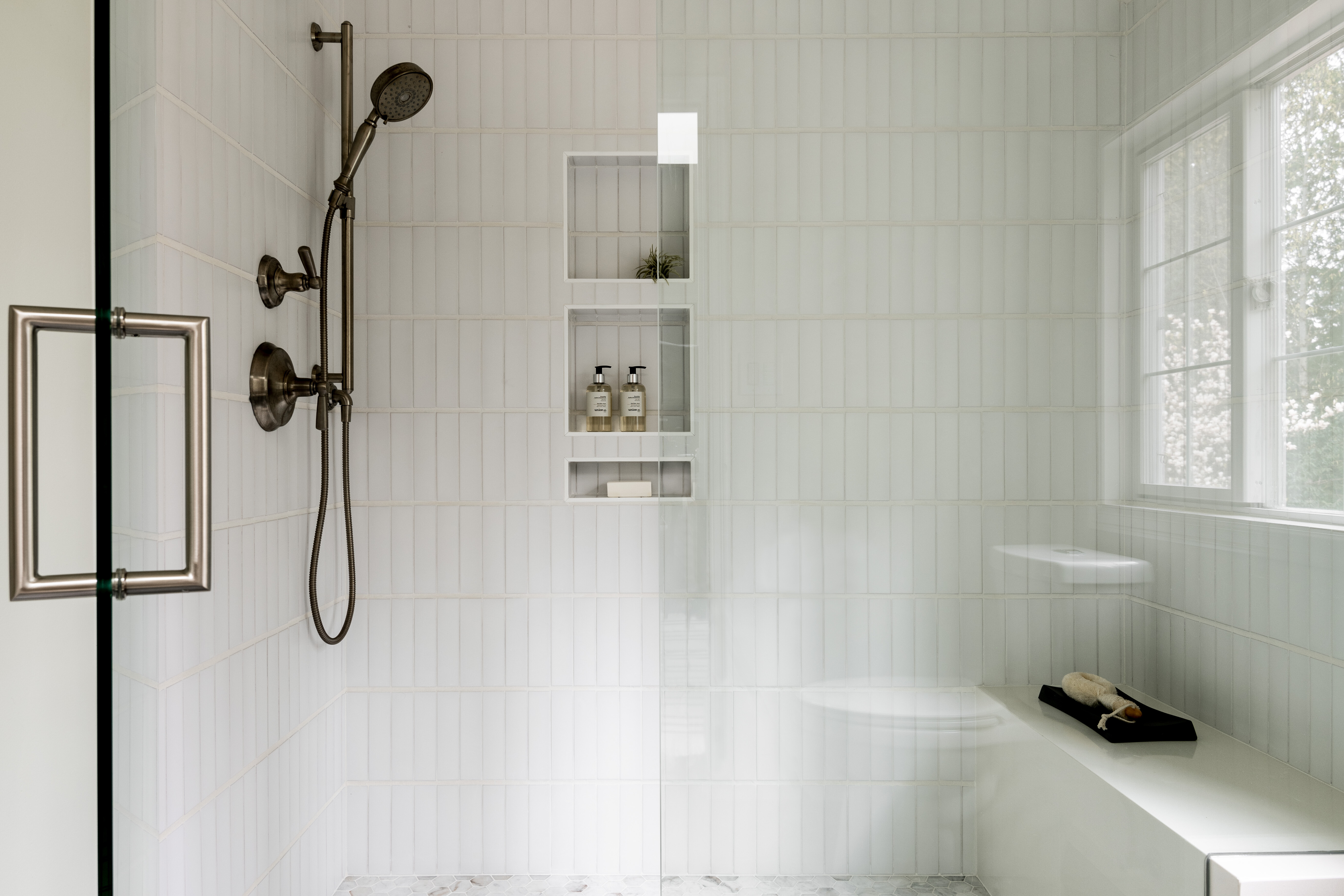
A modern walk-in shower can completely transform a bathroom’s look and feel, offering a seamless, sophisticated upgrade. But before you remove that old tub, it’s important to weigh the complete picture.
The average cost of a full walk-in shower conversion in the Boise area ranges from $5,000 to $15,000+. This cost can vary significantly depending on size, tile choices, plumbing modifications, and features such as frameless glass doors, built-in benches, or multiple shower heads.
Pros of a Walk-In Shower:
Accessibility: Curbless or low-threshold designs are safer and easier to use for all ages and mobility levels.
Modern Aesthetics: Walk-in showers feature clean lines and an open feel, making bathrooms feel larger and more contemporary. This is a key feature in creating the feel of a modern master bathroom retreat.
Easier to Clean: With fewer corners and crevices than a tub-shower combo and often made with large-format tiles, walk-in showers are often simpler to maintain.
Space-Efficient: In smaller bathrooms, a shower-only design can free up valuable floor space.
Cons of a Walk-In Shower:
Reduced Resale Appeal: If it's the only bathing fixture in your home, removing the tub can deter potential buyers, especially families with young children.
No Soaking Option: You lose the ability to take a long, relaxing bath.
Bathtub: Costs, Pros, and Cons
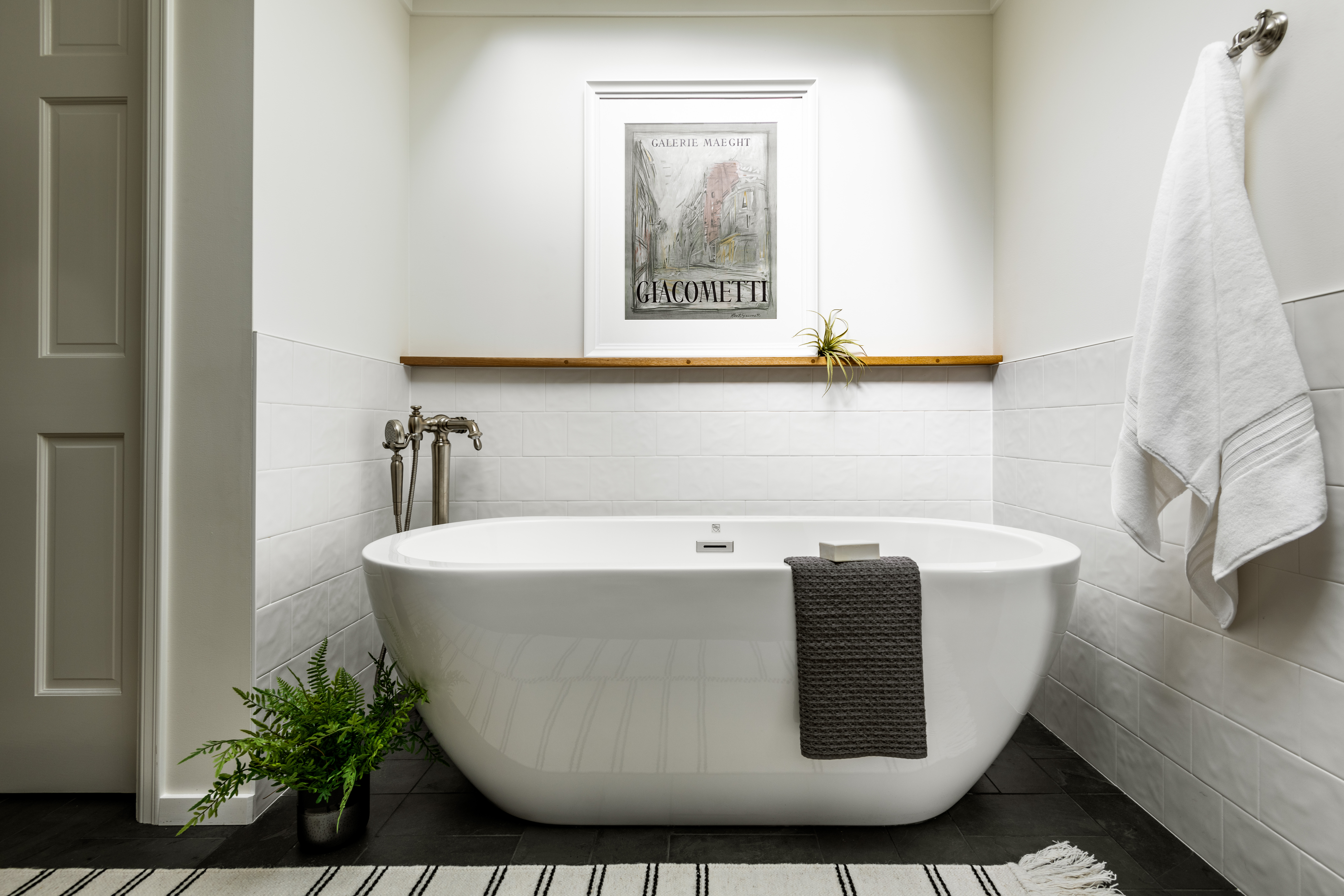
The traditional bathtub remains a staple in many homes for good reason. It offers a blend of practicality and relaxation that is hard to replace, and it plays a critical role in your home’s marketability.
A standard bathtub installation or replacement can cost between $3,000 and $12,000+. The price depends on the tub type (alcove, drop-in, or freestanding), the material (acrylic, cast iron, or stone resin), and the complexity of the plumbing and tile work. Freestanding tubs often fall at the higher end of this range.
Pros of a Bathtub:
Essential for Resale Value: Having at least one bathtub in the house is a must-have for a large segment of homebuyers.
Family-Friendly: Bathtubs are indispensable for families with young children.
Relaxation and Soaking: A deep soaking tub provides a therapeutic escape that a shower cannot replicate.
Cons of a Bathtub:
Uses More Water: A full bath uses significantly more water than a typical shower.
Harder to Clean: The shape and size can make cleaning more awkward than a walk-in shower.
Takes Up More Space: A standard tub has a larger footprint than a small shower stall, which can be a challenge in compact bathrooms.
What Boise Buyers Actually Want
In the Treasure Valley’s dynamic real estate market, buyer preferences matter. Local real estate agents consistently report that homes with zero bathtubs take longer to sell and may receive lower offers. The influx of families into areas such as Meridian, Eagle, and Kuna means a family-functional home is in high demand. For these buyers, a home without a tub is often a deal-breaker.
Even for buyers without children, a bathtub is considered a standard feature. Removing it entirely can make your home an outlier in the market, limiting your pool of potential buyers and potentially impacting your final sale price. The shower vs tub resale value debate almost always favors keeping at least one tub. For a broader look at what design choices hold up over time, our guide on timeless bathroom design vs. trends breaks down what Boise buyers consistently value.
The ROI Question
While a high-end, spa-like walk-in shower can be a stunning feature, its ROI is highest when it’s in a master bathroom, alongside a tub elsewhere in the home. The bathroom remodel ROI is protected by ensuring the home meets the basic needs of the broadest buyer demographic. A bathtub-to-shower conversion may seem like a good investment for your personal lifestyle, but it can negatively affect your ROI if it eliminates the last tub in the house. The “at least one tub” rule is the safest bet for protecting your investment.
Which Is Right for Your Remodel?
So, how do you decide? Use this simple framework to guide your choice.
- 1
Which Bathroom Is It?
If it’s your master suite and you have another tub, a walk-in shower is an excellent luxury upgrade. If it’s the only full bathroom in the home, keeping or installing a tub/shower combo is the wisest move.
- 2
What Are Your Family's Needs?
Do you have small children or plan to in the future? Do you love taking baths? If so, a tub is non-negotiable. If you shower exclusively and value accessibility, a walk-in shower is a better fit for your daily routine.
- 3
What Are Your Resale Plans?
If you plan to sell within the next 5-10 years, think like a buyer. Preserving broad market appeal by having at least one tub is a smart financial decision that will pay off when it's time to list your home.
Material choices matter here too, our guide on designing a bathroom remodel for Idaho winters covers which surfaces and fixtures hold up best against moisture and cold.
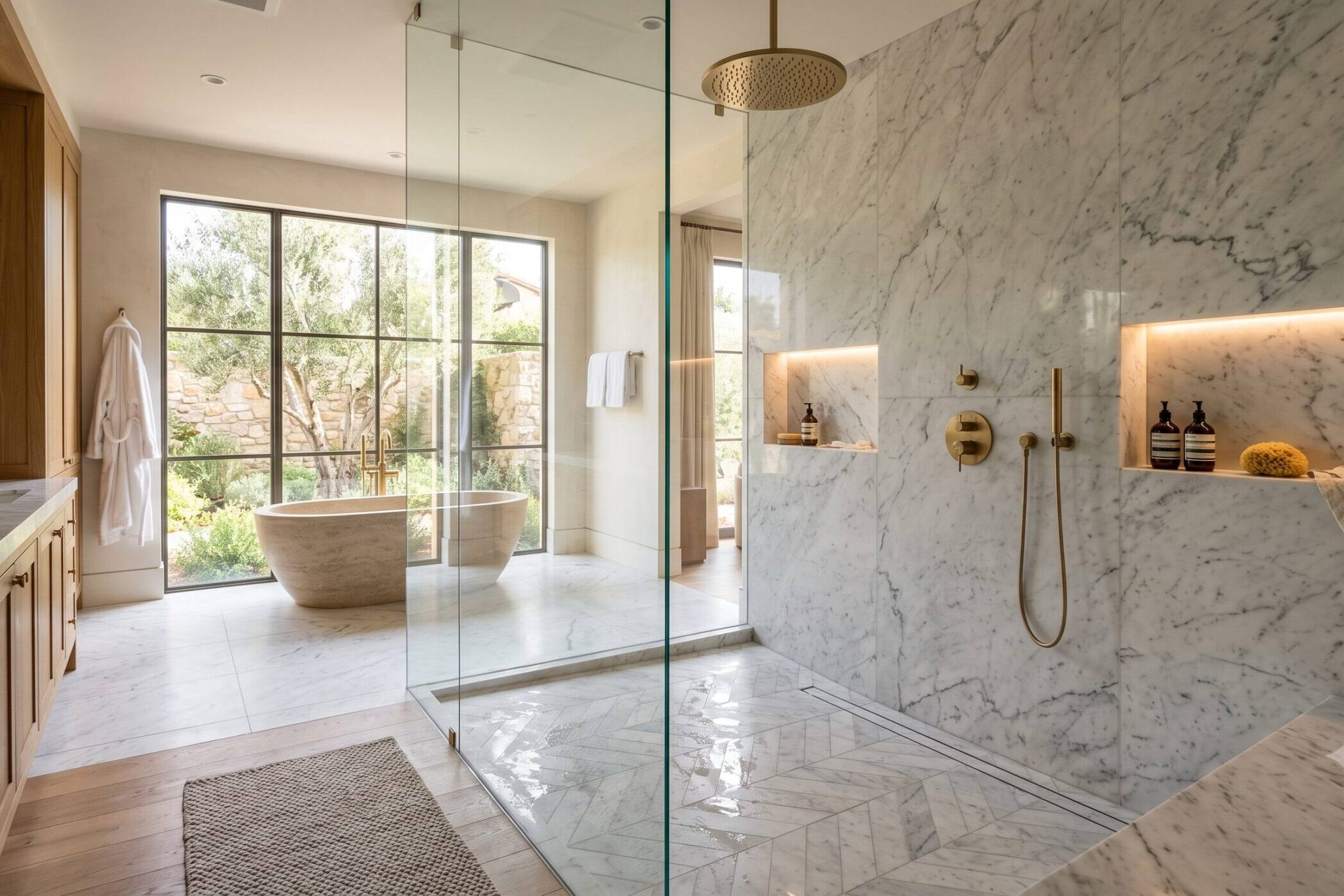
Walk-In Shower vs Bathtub FAQs
It can. Removing the only bathtub in a home often reduces appeal to buyers, especially families. Most Boise buyers expect at least one tub, so eliminating it can limit your resale potential and make your home harder to sell.
The best option for resale is having both. A walk-in shower adds modern appeal, while a bathtub maintains functionality for families. If you must choose, keeping at least one bathtub in the home is typically the safer investment.
Yes, if there is another bathtub elsewhere in the home. Many homeowners convert primary bathrooms into walk-in showers to create a more luxurious, spa-like experience without negatively impacting resale value.
Buyers generally prefer updated bathrooms with modern finishes, walk-in showers in primary suites, and at least one bathtub in the home. Homes that balance style with functionality tend to attract more interest and stronger offers.
Absolutely. If your priority is comfort, accessibility, and daily use, a walk-in shower is often the better choice. It improves usability and safety, making it a smart long-term investment even if resale isn’t an immediate concern.
Let’s Design the Perfect Bathroom for Your Home
Navigating the pros and cons of a major bathroom decision can be complex. If you’re still unsure which path is right for your home, lifestyle, and budget, our team is here to help. Discuss your project with the Freimark Construction design team to get expert advice tailored to your Boise home.