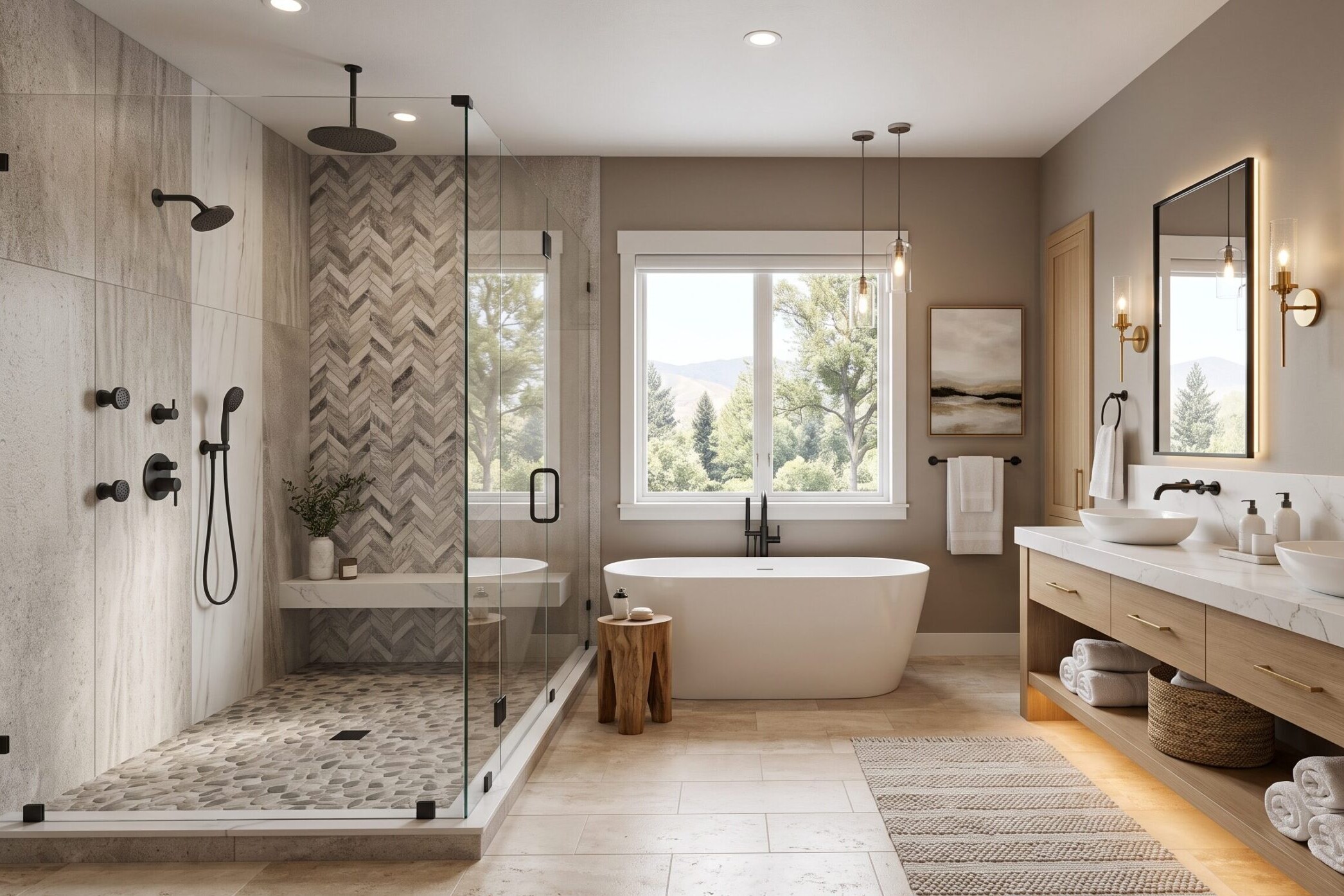
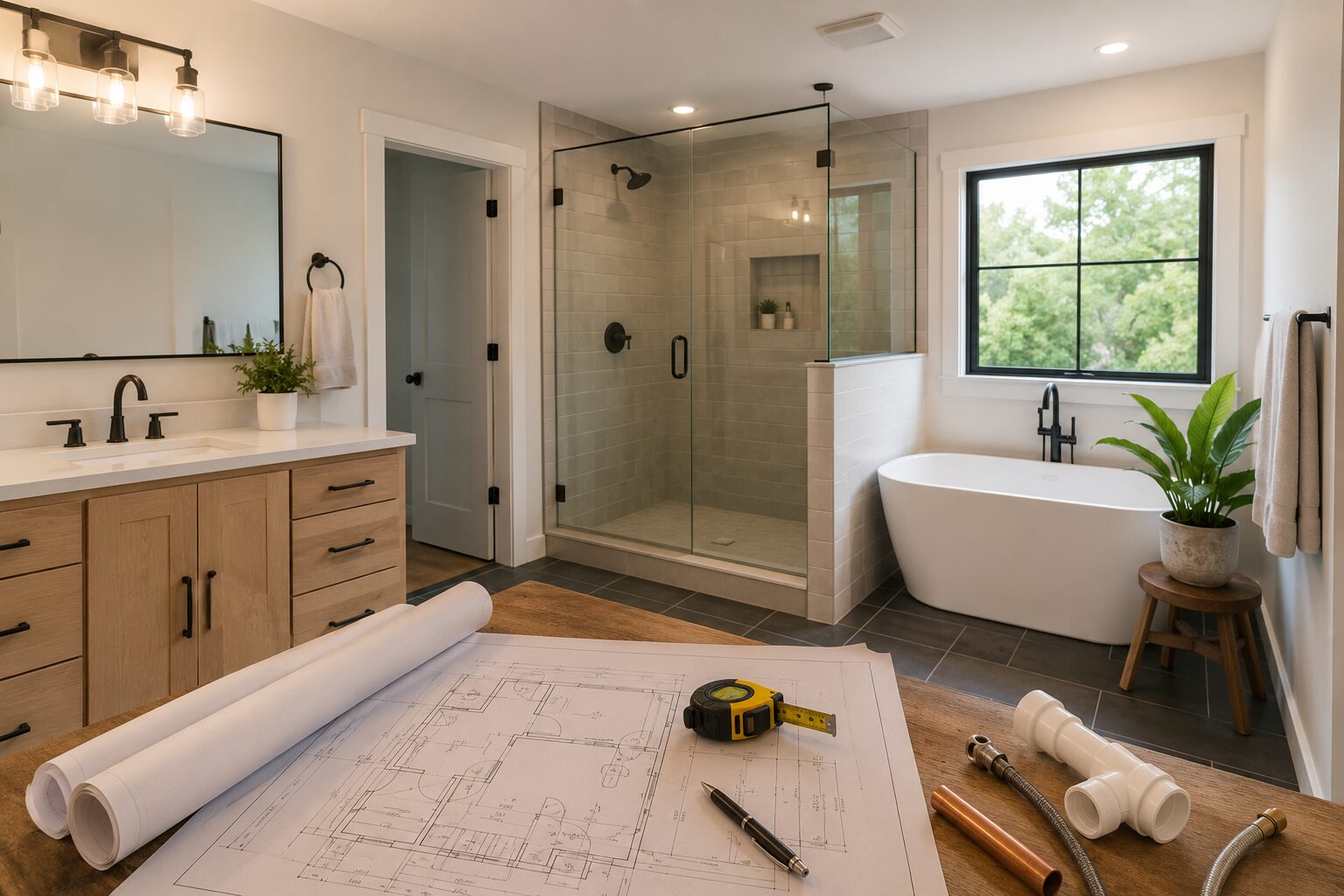
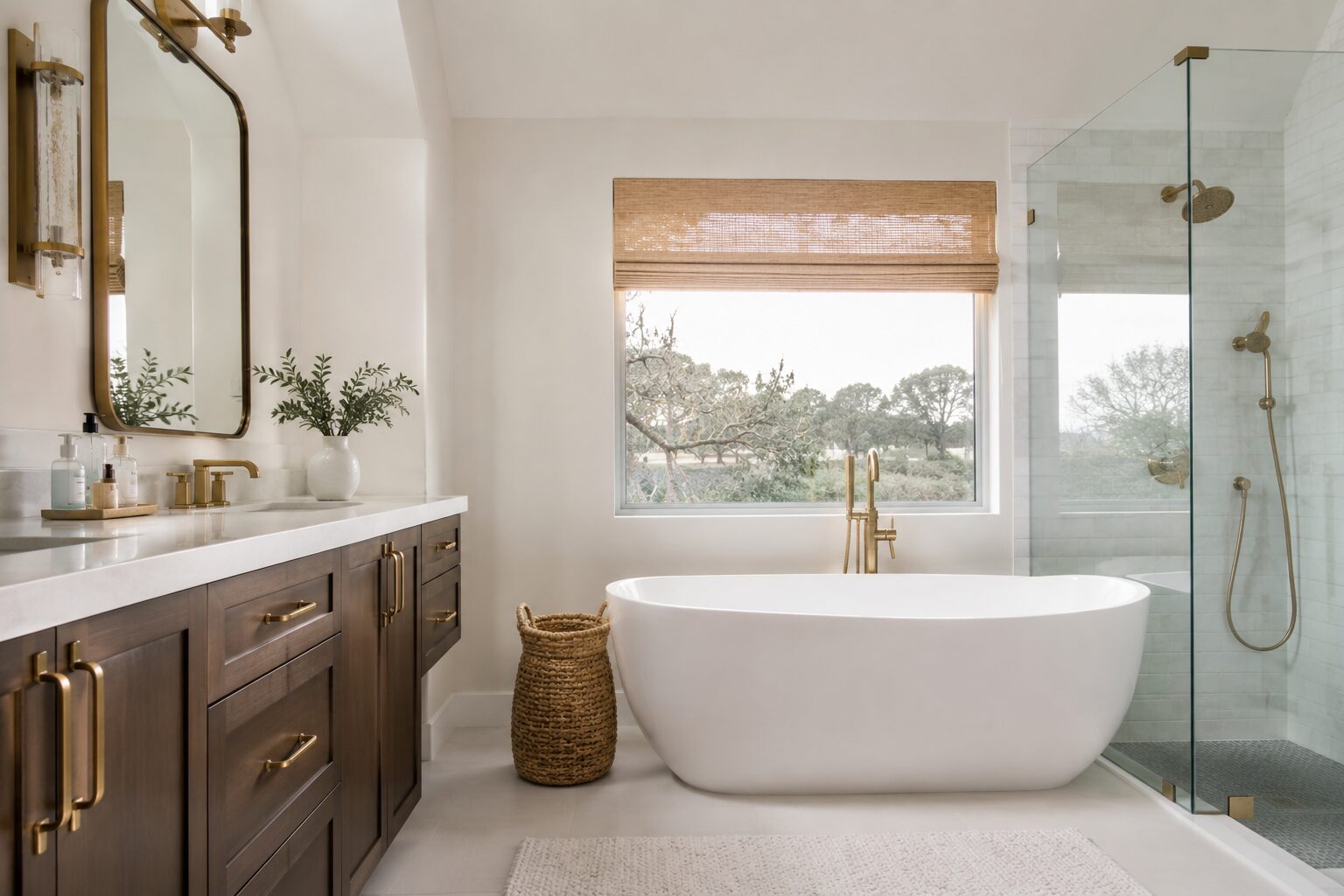
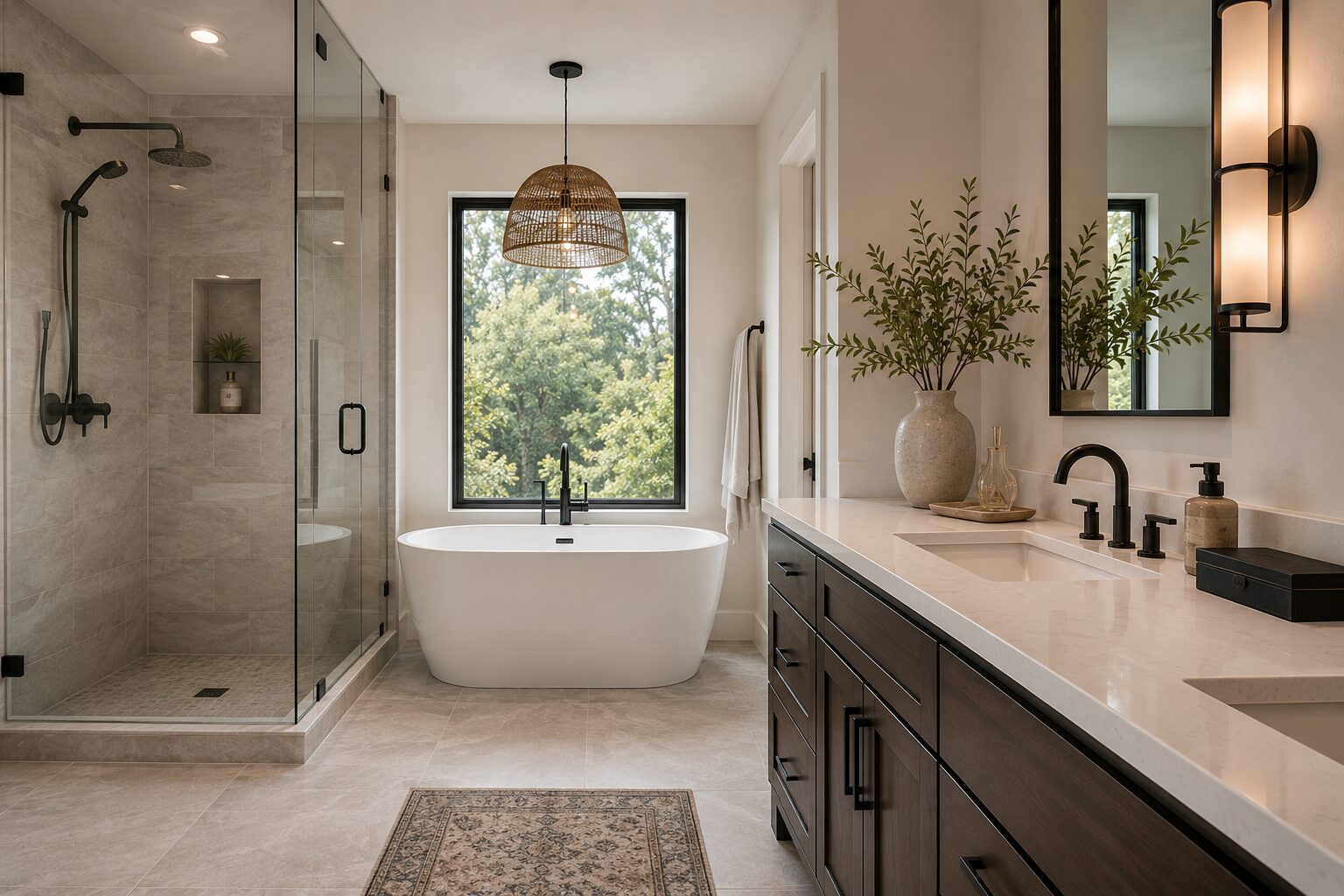
You love your home. You love your Boise neighborhood, the quiet streets, the familiar faces, and the proximity to your favorite parks and coffee shops. But the walls are starting to feel a little closer than they used to. A growing family, a new remote work reality, or simply the desire for more functional space has you at a crossroads. This is the classic homeowner dilemma: Do you endure the hassle of moving, or do you invest in the home you already love by building an addition?
The “move or add on Boise” debate is both an emotional and a financial one. An addition offers the chance to create a perfectly tailored space without leaving your community, but it’s a significant undertaking. Before you can decide if a home addition is worth it, you need a clear understanding of the true costs, the potential return on investment, and the practical realities of the project. This guide will walk you through the key tradeoffs to help you make an informed, intentional decision.
The True Cost of a Home Addition in Boise
When homeowners first explore the idea of an addition, they often start by looking for a simple price per square foot. While this can provide a very rough baseline, the true home addition cost in Boise is a complex calculation involving far more than just the visible construction. A detailed, transparent quote from an experienced contractor will break down the costs into several key categories.
Understanding these components is the first step in creating a realistic budget:
Pre-Construction and Permitting
This phase includes architectural design, structural engineering to ensure the new space is safe and integrated properly, and site surveys. It also covers the cost of navigating and securing permits from the City of Boise or Ada County.
Site Work and Foundation
Before walls can go up, the ground must be prepared. This involves excavation, grading, and pouring a new concrete foundation or footings. This is a labor-intensive stage that forms the literal groundwork for your project.
Structural Work
This is the core of the build. Costs include framing the new walls and roof, sheathing, and seamlessly tying the new structure into your existing home. This often requires modifying existing walls and rooflines.
Exterior Finishes
Your addition needs to be protected from Idaho's four-season climate. This category covers roofing, siding, windows, and exterior doors to match your existing home's aesthetic perfectly.
Interior Systems (The "Rough-Ins")
Behind the drywall are the essential systems: running new electrical wiring, extending HVAC ductwork for heating and cooling, and installing all necessary plumbing.
Insulation and Drywall
Proper insulation is crucial for energy efficiency. After inspection, drywall is hung, taped, and textured to create the finished walls and ceilings of your new space.
Interior Finishes and Fixtures
The final stage where your vision comes to life: flooring, paint, cabinetry, countertops, and light fixtures. The level of luxury you choose here defines the final aesthetic of your Idaho home.
ROI vs. Lifestyle Value
When considering whether a home addition is worth it, homeowners often focus on return on investment (ROI). This is a valid concern. You want to know if the money you spend will increase your home’s resale value. In a strong market like Boise, a well-designed and professionally built addition can certainly boost your property value. The Boise home addition ROI depends on the type of space added (a master suite often yields a higher return than a simple family room) and the quality of the craftsmanship.
However, a purely financial calculation misses a huge part of the equation: lifestyle value. This is the daily, tangible benefit you get from having a space that perfectly fits your needs. Lifestyle value isn’t found on a spreadsheet; it’s found in the quiet moments.
Think about the difference between:
- Financial ROI: The appraised value your addition adds to your home upon completion.
- Lifestyle Value: The joy of a dedicated home office that allows you to be productive and present. The peace of mind that comes with an in-law suite for aging parents. The laughter shared in an expanded kitchen that’s finally big enough for holiday gatherings.
For many homeowners, the primary motivation to add on isn’t selling; it’s staying. The ability to create your “forever home” without leaving your neighborhood has immeasurable value that will pay dividends in comfort and happiness for years to come.
When Additions Make Financial Sense
While lifestyle benefits are paramount, a home addition is still a major financial decision. It’s most likely to be a sound investment under specific circumstances. A home addition makes the most sense when:
Sufficiently Large Lot
In Boise, property size matters. You need enough yard space to build the addition without sacrificing your entire outdoor living area or violating local setback requirements (the minimum distance structures must be from property lines).
Home Value Support
Avoid over-improving for your neighborhood. If the total value after the addition far exceeds area highs, you may not recoup costs at resale. An experienced contractor can help analyze comparable properties for a smart decision.
Strong Local Market
Boise's real estate market has shown consistent growth. Investing in your property in a desirable, appreciating market is generally a safer bet, making your home more competitive should you ever decide to sell.
Long-Term Planning
The longer you stay, the more you benefit from lifestyle improvements. This also gives the market more time to appreciate, significantly increasing the likelihood of a strong financial return on your investment.
When an Addition Might Not Be the Right Move
Building an addition is not a universal solution. It’s important to be realistic and recognize when it might not be the best path forward. An addition may be the wrong choice if:
Strict Zoning or HOA Limits
Some properties have restrictions—like lot coverage limits or height restrictions—that make additions impossible. A thorough feasibility study is the first step to uncovering these potential architectural roadblocks.
Risk of Overbuilding
If your addition makes your home the most expensive on the block by a wide margin, you risk creating a "white elephant." This can make the property difficult to sell at its new, higher value in the future.
Complex Design Problems
A poorly planned addition can hurt more than it helps. If the build results in an awkward floor plan or clashes with your home's original architectural style, it could actually devalue your property.
Primary Goal is a Quick Sale
If you're selling in the next year or two, a major addition is rarely the best profit strategy. Smaller, targeted remodels like kitchens or bathrooms are often better for immediate pre-sale value.
Alternatives to a Traditional Addition
If you need more functional space but have determined a conventional addition isn’t the right fit, don’t despair. You have other excellent options that can achieve similar goals.
Interior Reconfiguration (Whole-Home Remodel)
Sometimes, the space you need is already within your home's existing footprint. A whole-home remodel can involve moving walls, combining small rooms, and optimizing the layout to create an open-concept living area or a larger kitchen without adding a single square foot.
Accessory Dwelling Unit (ADU)
If you need a separate living space—like a guest house or rental unit—an ADU could be the perfect solution. Boise has become increasingly friendly to ADU construction, making it a viable way to add significant value and function to your property.
Garage or Basement Conversion
Converting an existing garage or unfinished basement into living space is often a more cost-effective way to gain a new bedroom, home office, or family room. This utilizes an existing structure, reducing the costs associated with foundation and framing.
Conclusion: Plan with Purpose Before You Commit
Deciding whether to move or add on is one of the biggest decisions a Boise homeowner can make. It requires a careful balancing act between your budget, your long-term goals, and your family’s daily needs. An addition is a powerful way to customize your home to your life, but it’s not a decision to be made lightly. The key is to move forward with intention. Analyze the true costs, weigh the financial ROI against the invaluable lifestyle benefits, and honestly assess if it’s the right move for your specific property and neighborhood.
Start with a Clear Vision and an Expert Partner
The first step in any successful home addition project is understanding what’s truly possible. If you are weighing the costs and benefits of expanding your Boise home, we can help. Contact Freimark Construction for a complimentary consultation to explore your ideas and get a transparent, detailed assessment of your project.