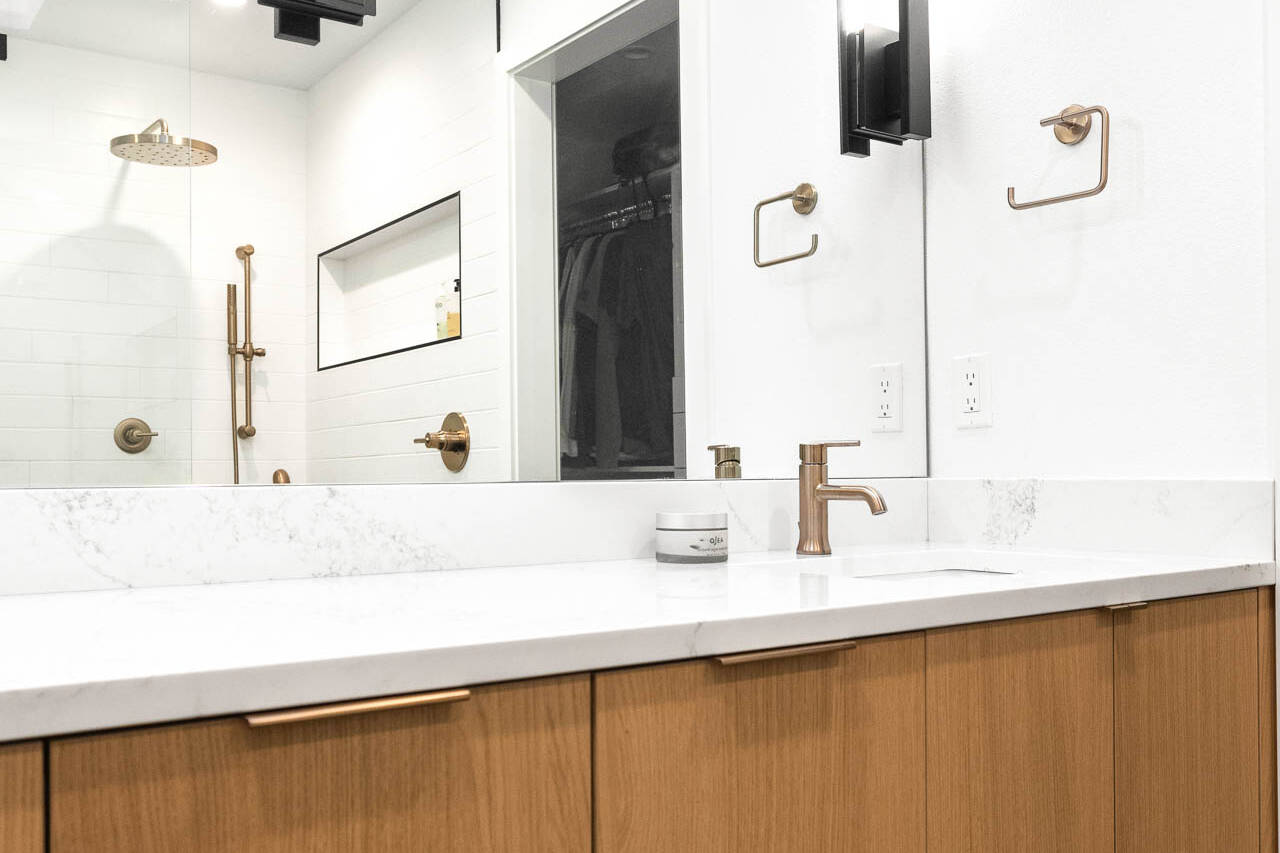
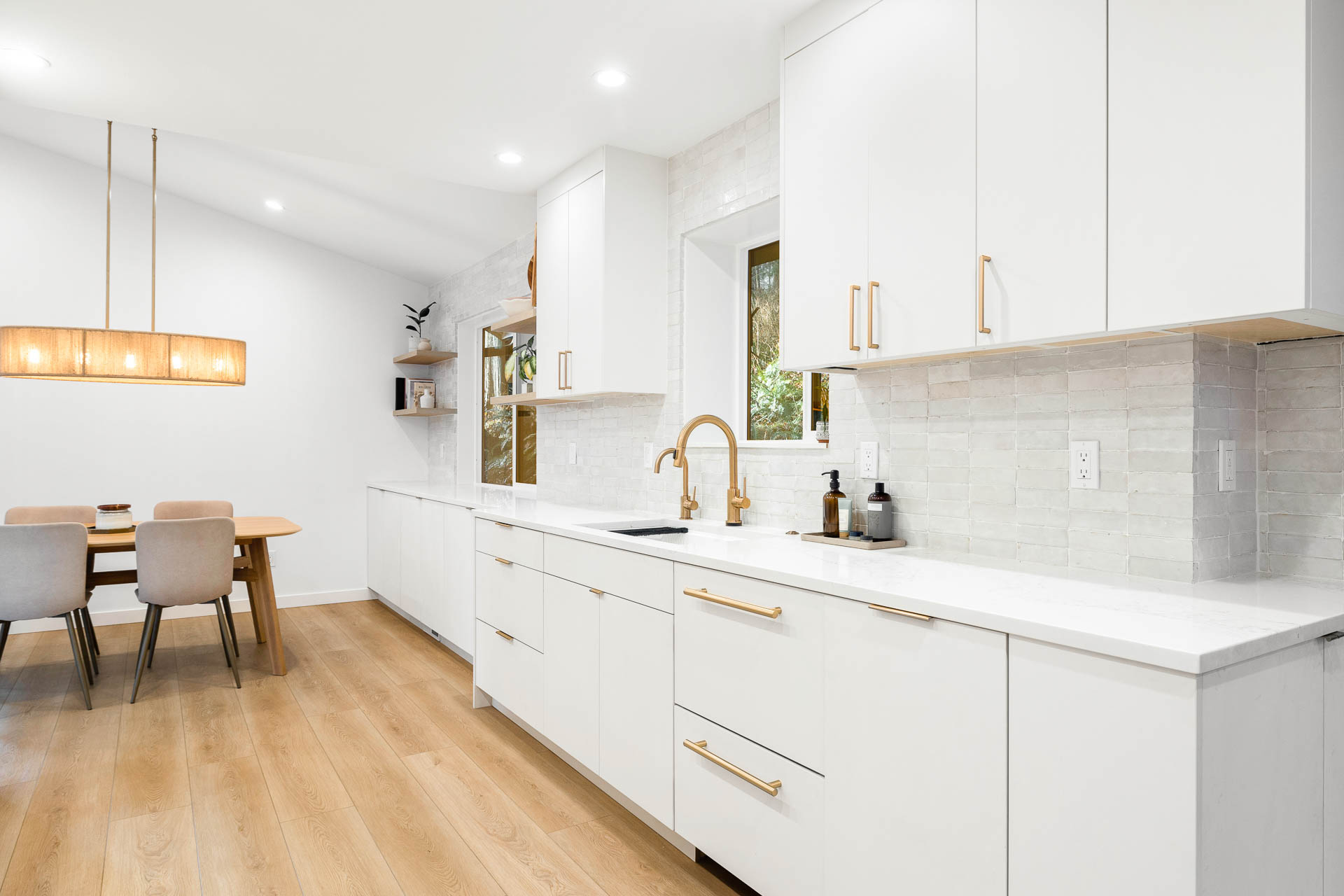
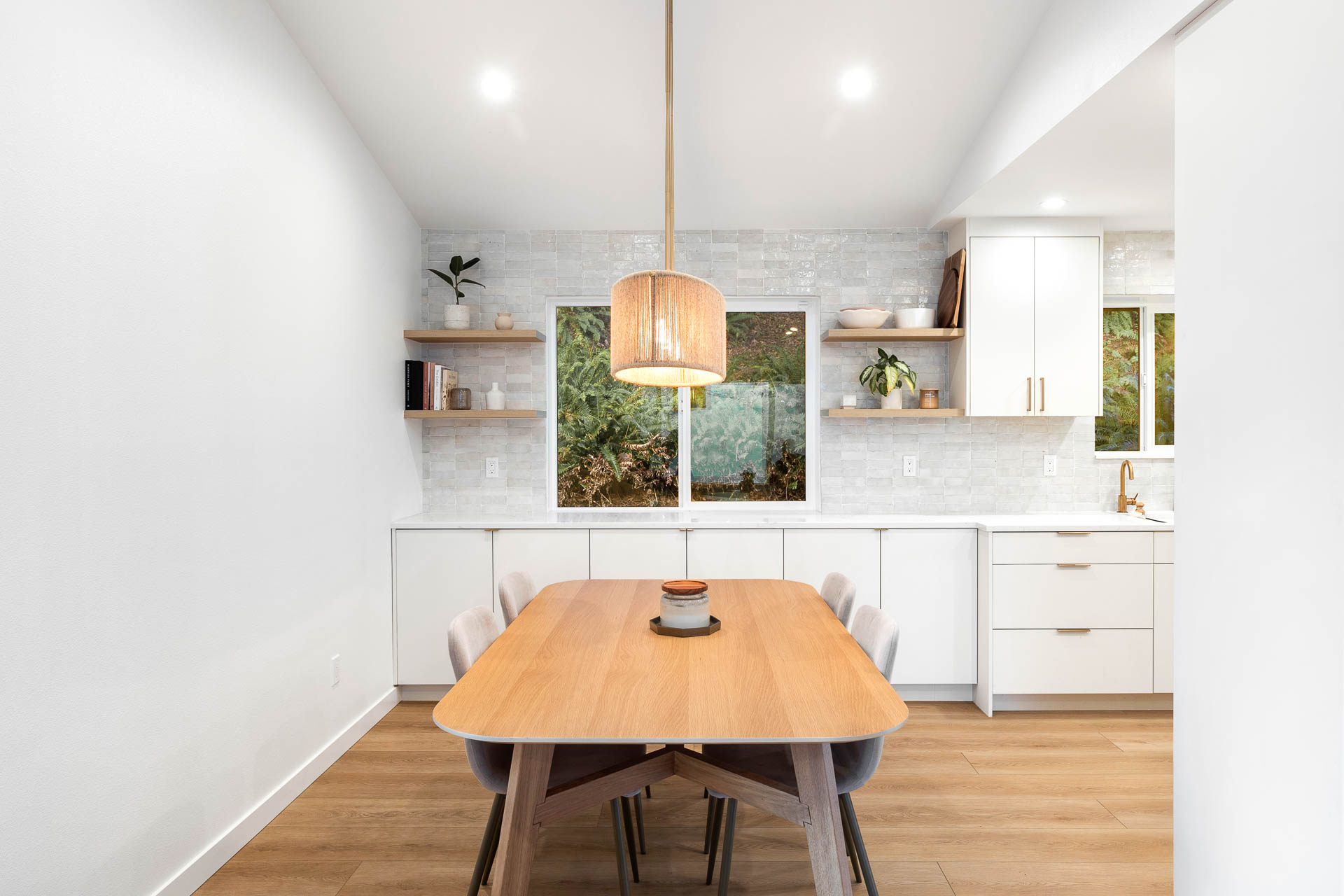
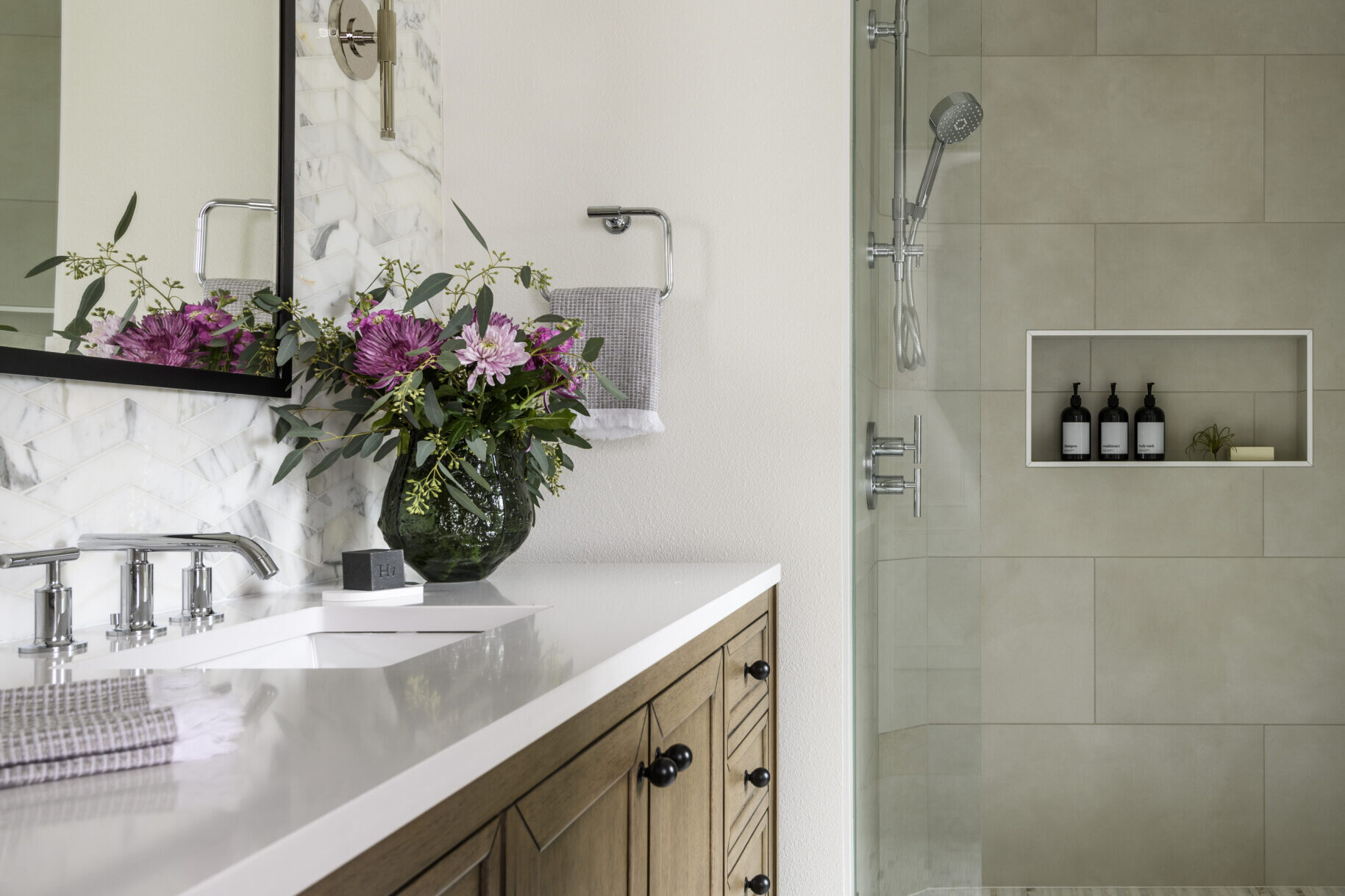
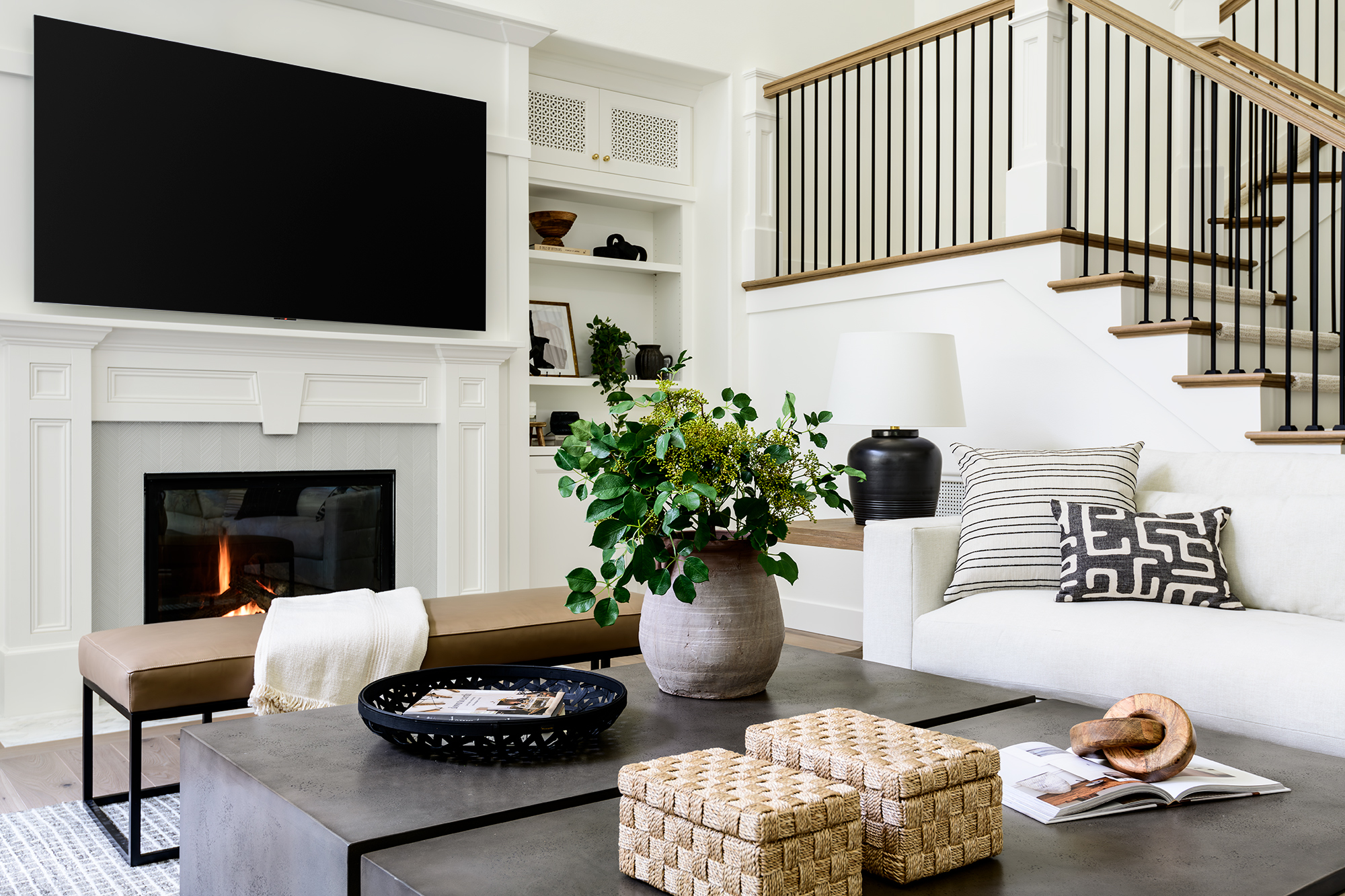
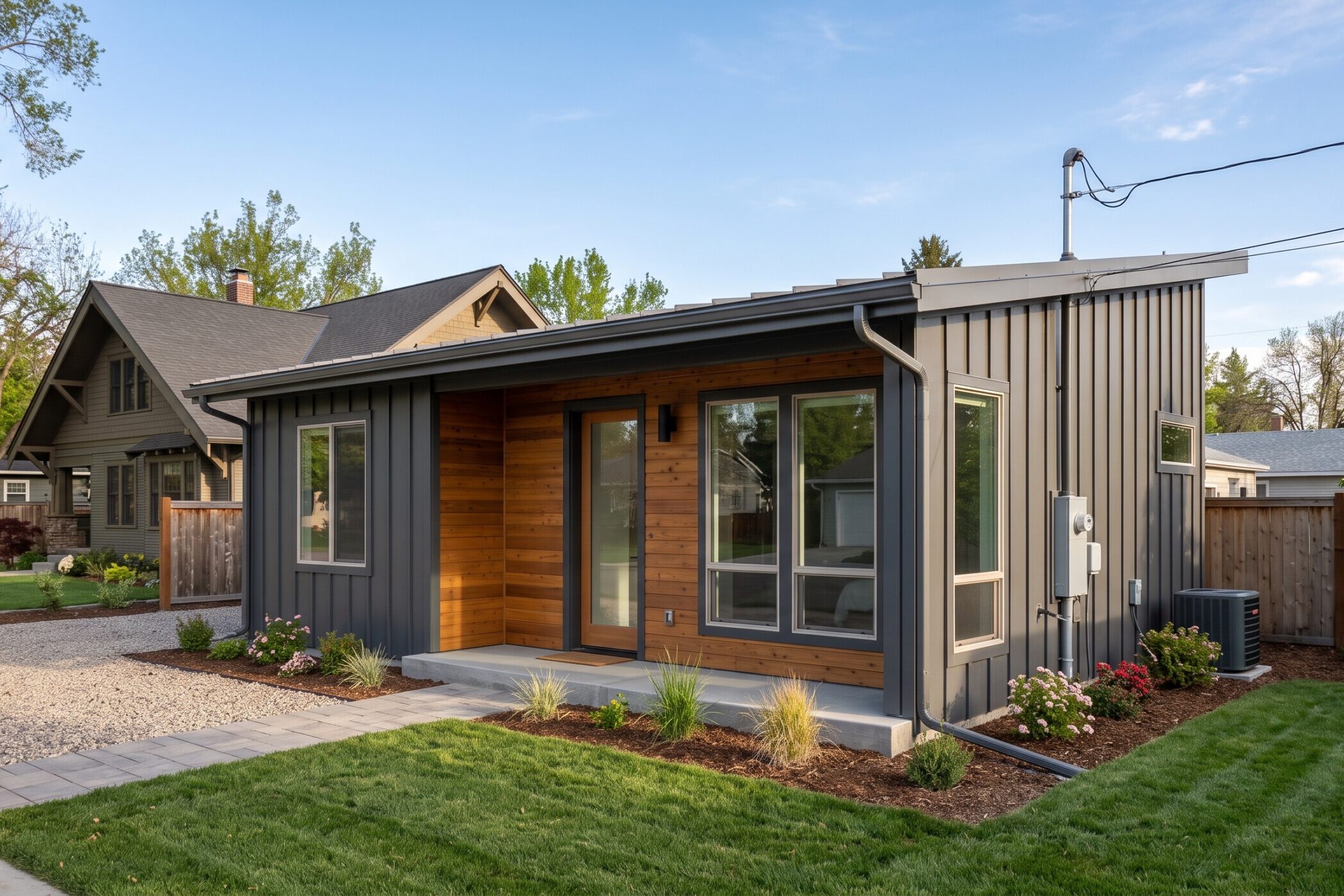
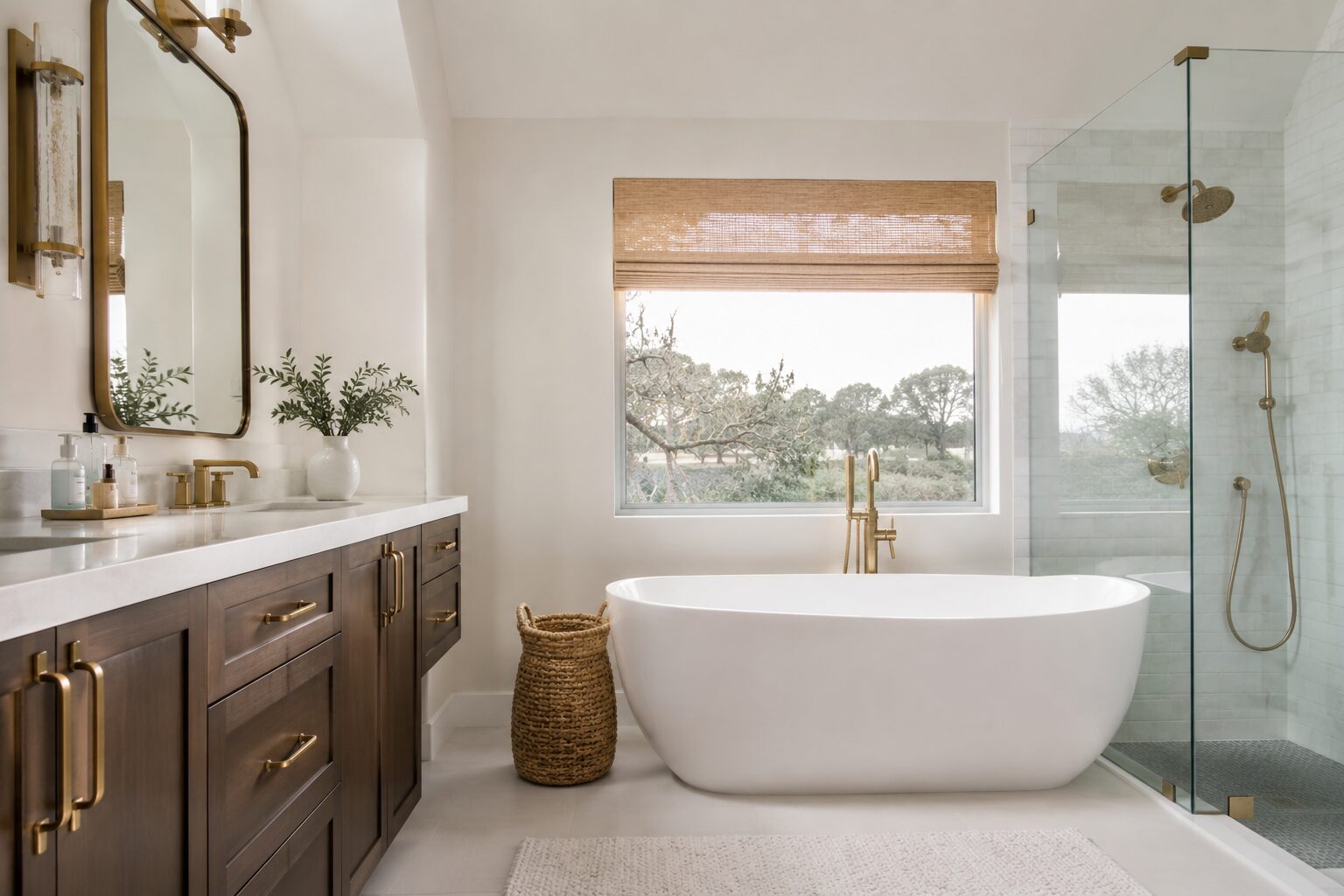
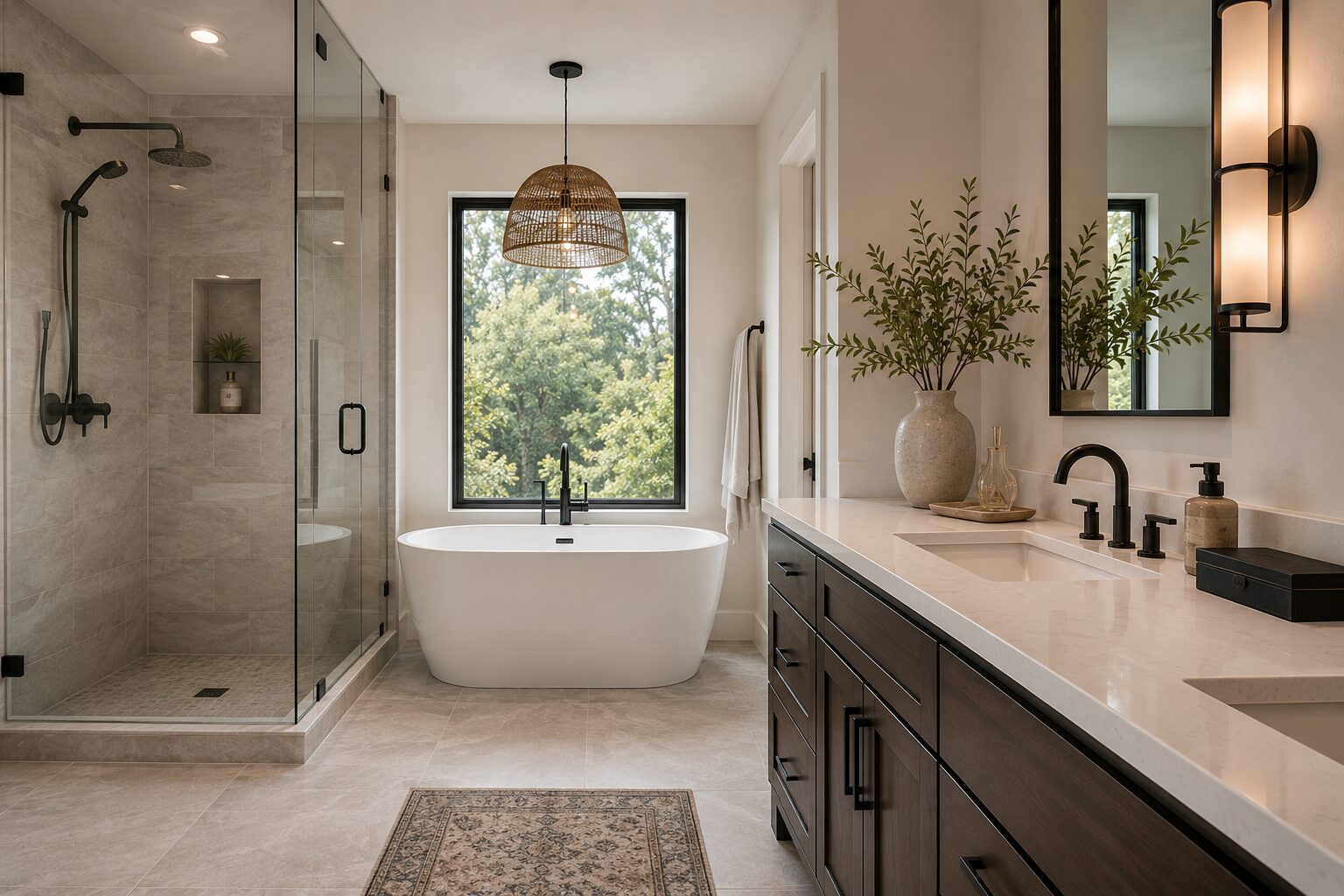
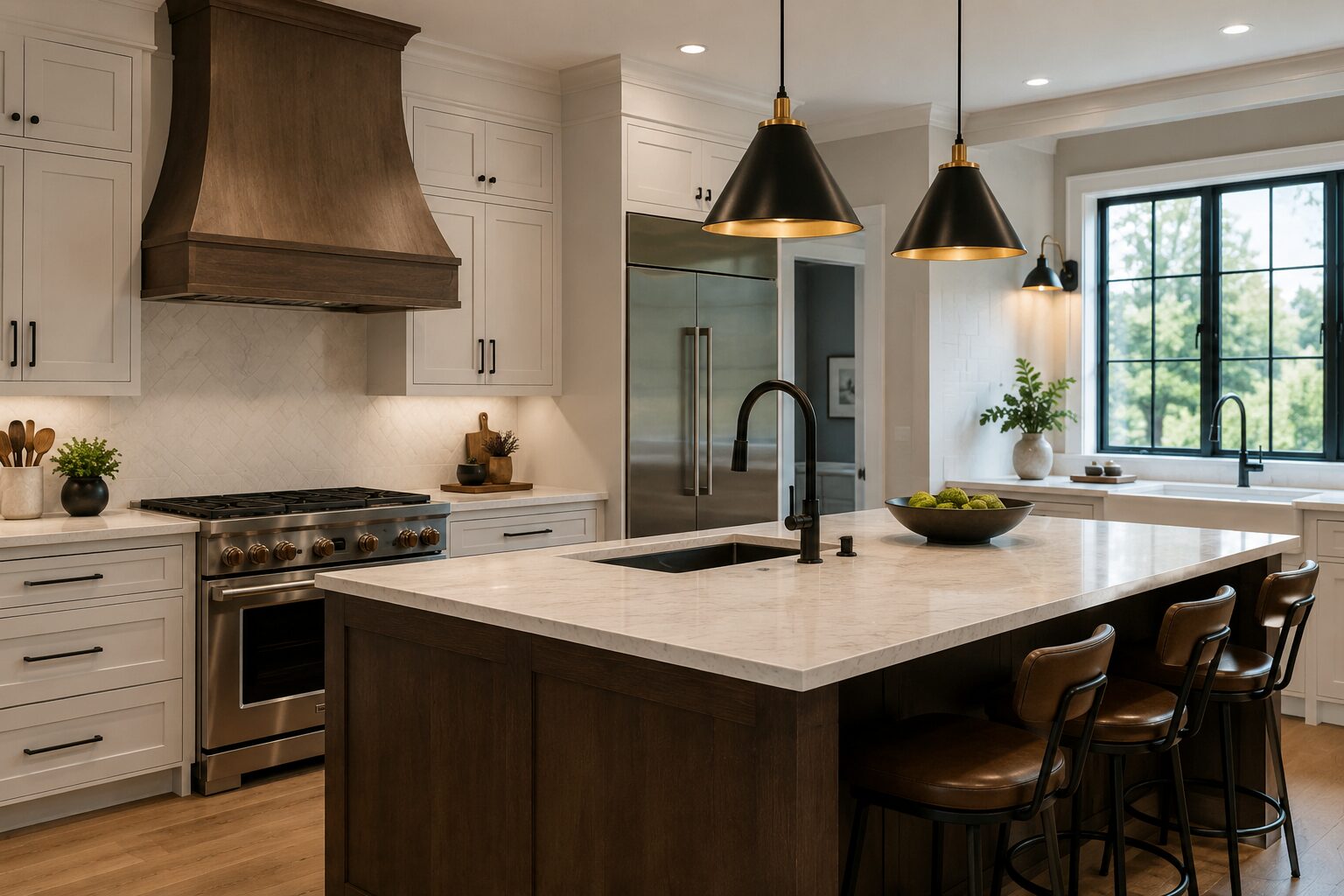
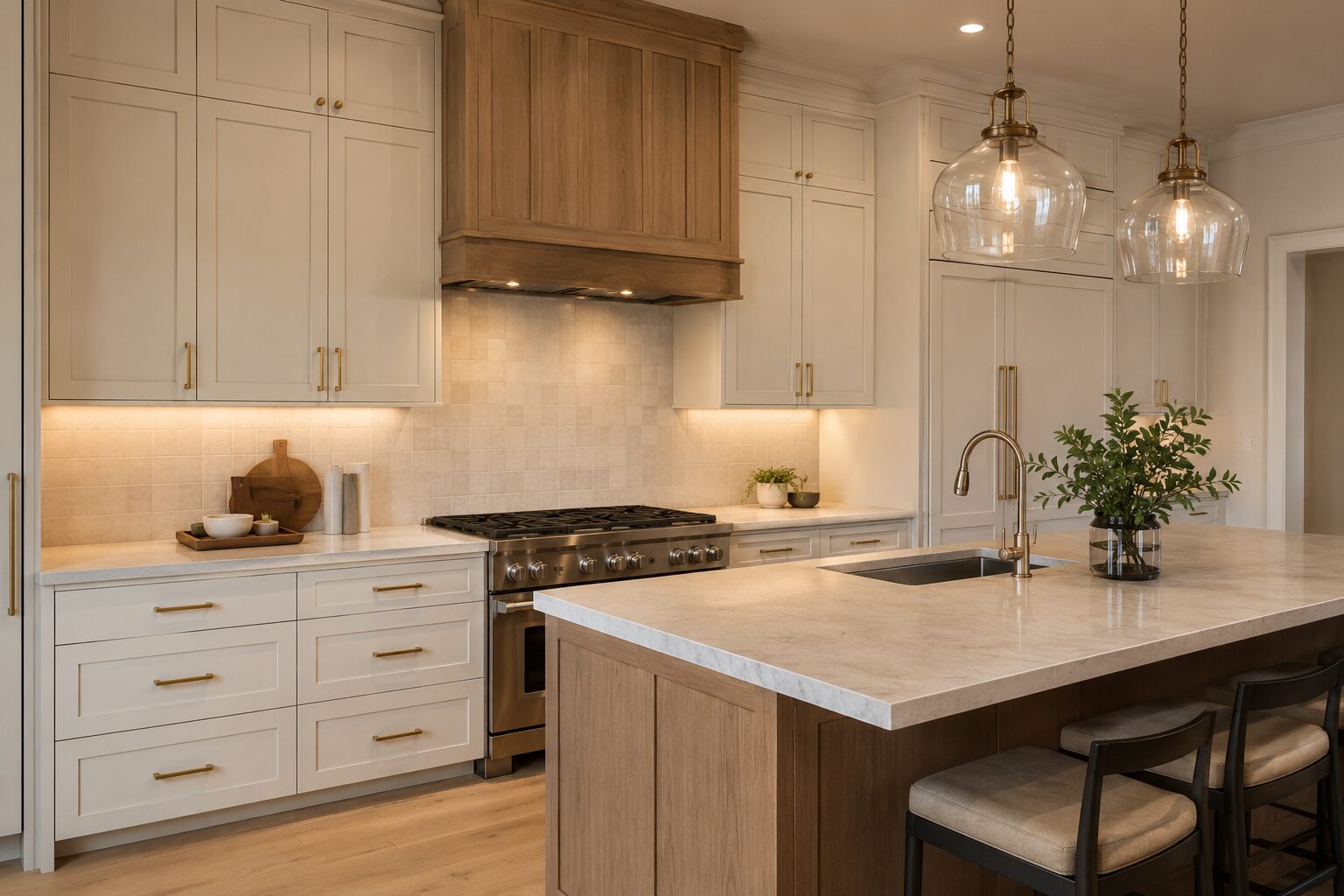
It’s a common story we hear from homeowners in Boise. They invest in a beautiful kitchen with stunning quartz countertops, a designer backsplash, and top-of-the-line appliances. Yet, after the dust settles, they find themselves avoiding the very space they spent so much to create. Why? Because no matter how beautiful the finishes are, they can’t fix a dysfunctional layout. A high-end whole-home remodel that truly transforms your daily life isn’t about the surface-level details you choose last. It’s about the fundamental structure you plan first: the flow. This article will explore why the secret to a home that feels as good as it looks lies in prioritizing its layout, movement, and logic before you ever pick a paint color.
What “Flow” Really Means in Home Design
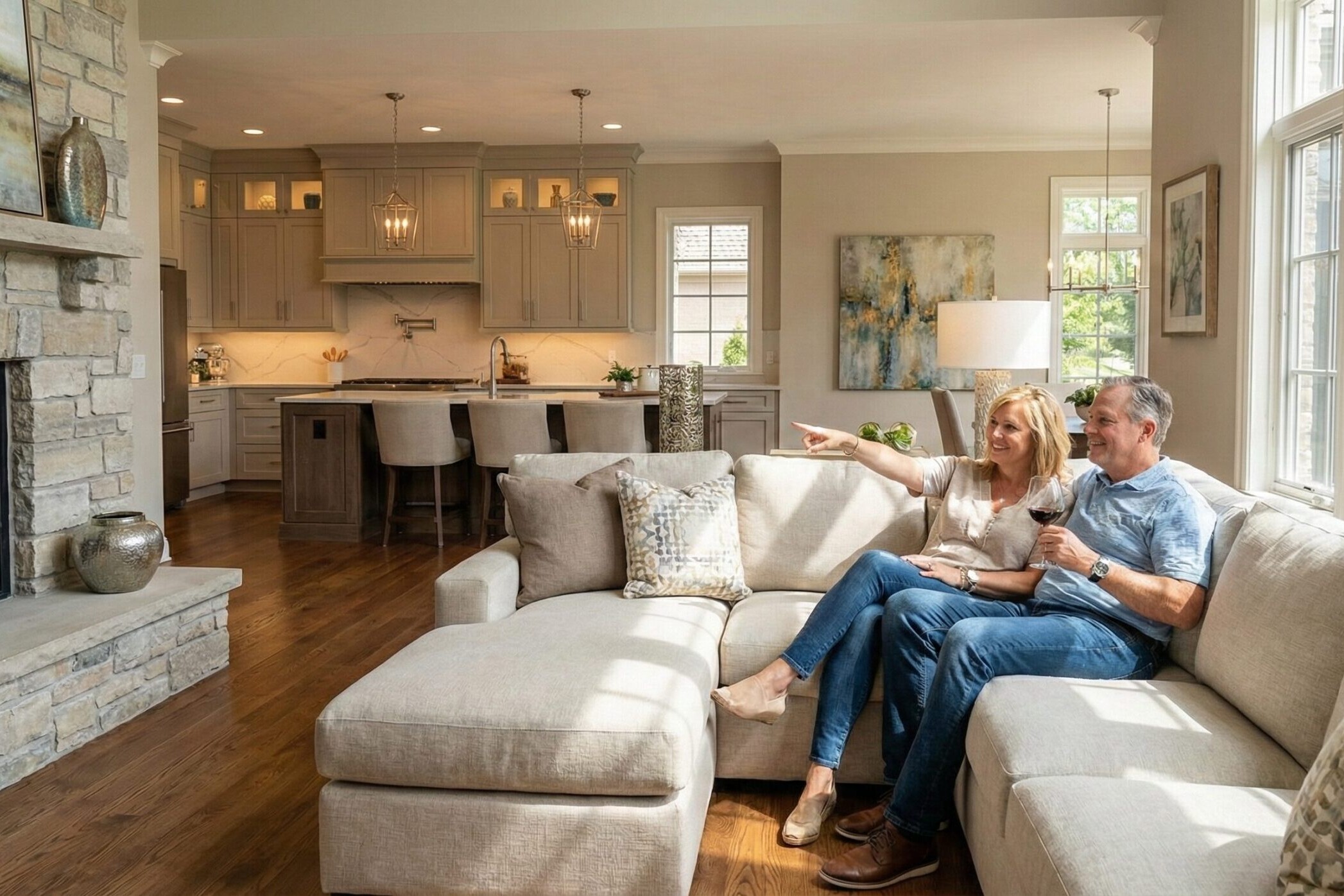
When contractors and designers talk about “flow,” they’re referring to the invisible architecture that governs how you experience your home. It’s the difference between a space that feels intuitive and effortless and one that creates constant, low-grade frustration. True home flow design is built on a few core principles that work together to create a harmonious living environment.
Circulation
Refers to the natural pathways people take to move through a home. Think of these as the hallways and open spaces that act as your home’s arteries. Good circulation means these paths are clear, direct, and wide enough to accommodate daily life without creating human traffic jams. It’s the unobstructed line from the garage entry to the kitchen pantry for unloading groceries, or the easy journey from the living room to the back patio when you’re entertaining guests. When circulation is poor, you get awkward detours, cramped corridors, and a feeling that you’re always walking around something to get where you need to go.
Adjacency
It is the strategic relationship between different rooms and functional zones. It’s about which spaces should be neighbors. For example, a successful remodeling layout planning process places a mudroom next to the garage, a kitchen that opens into the family room, and a laundry room near the bedrooms. Poor adjacency creates inefficiency. It’s having to carry laundry baskets across the entire house or being isolated in a closed-off kitchen while your guests are in another room. Thoughtful adjacency ensures that your home’s layout supports your daily routines, rather than working against them.
Movement
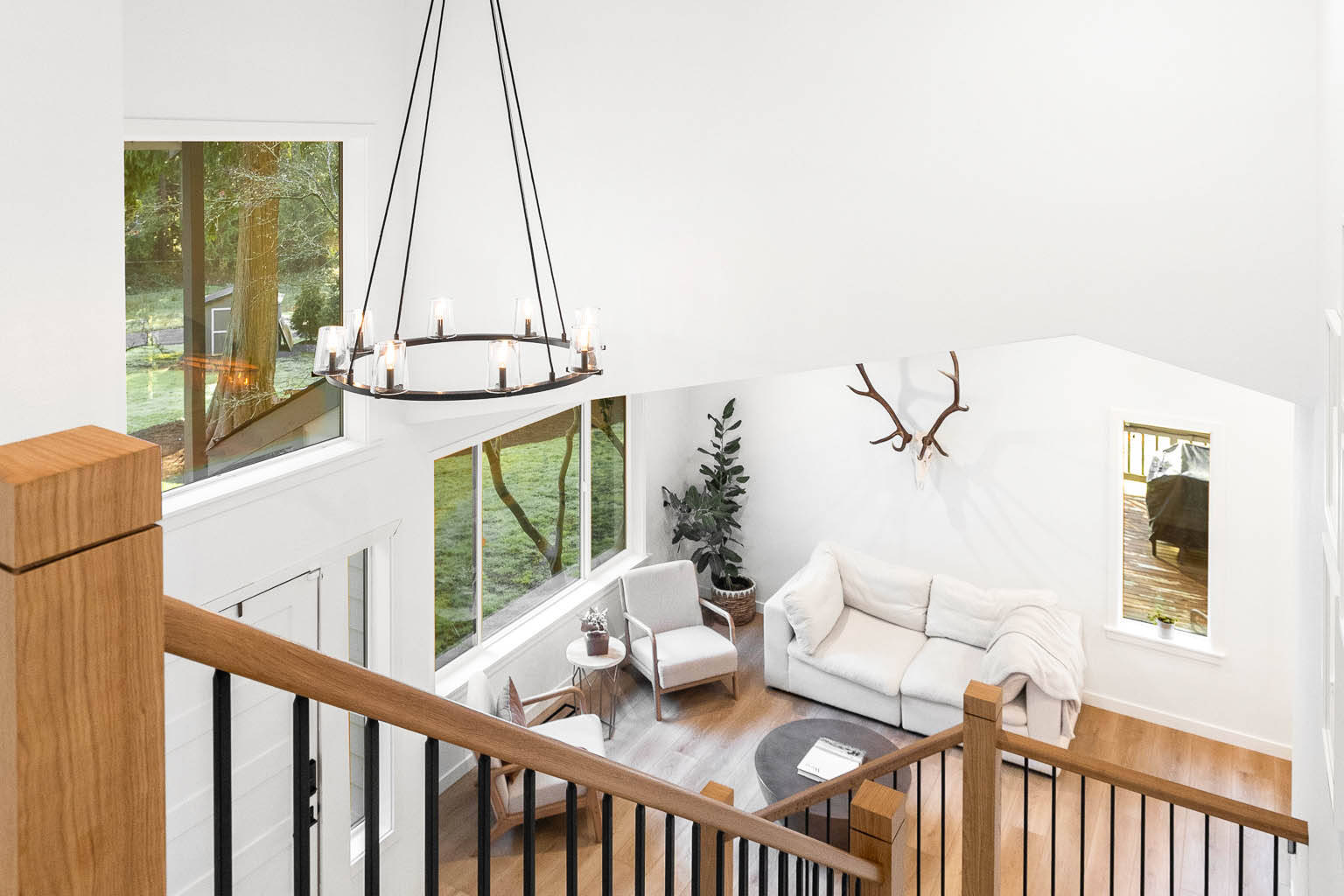
Sightlines are the more subtle elements of flow. This is about how a space guides your eye and your body from one area to the next. Wide cased openings, strategically placed windows, and long, uninterrupted views across rooms create a sense of openness and connection. Good movement makes a home feel larger and more inviting, drawing you forward into the next space. It allows parents to keep an eye on children from the kitchen or a host to feel connected to the party. It’s the visual and physical ease that makes a home feel cohesive.
How Poor Flow Impacts Daily Life
Living in a home with a poorly designed layout can be a source of daily friction you may not even consciously recognize. It’s the small, persistent annoyances that add up to a significant impact on your quality of life. A high-end whole-home remodel is the perfect opportunity to identify and eliminate these issues for good.
One of the most common symptoms of bad flow is the presence of bottlenecks. This is any point in the home where circulation paths narrow and cause congestion. Does your family collide in a tight hallway every morning? Is the refrigerator door blocked when someone is at the sink? Do guests have to squeeze past the dining table to get to the powder room? These pinch points disrupt movement and create a subtle but constant feeling of being cramped. They force you to alter your natural path, turning simple tasks into multi-step maneuvers.
Another major issue is wasted space. Many older Boise homes have layouts with rooms that no longer fit modern lifestyles. The formal living room that’s only used twice a year, the isolated dining room that feels cut off from the home’s energy, or the awkwardly shaped nook that just collects dust are all examples of wasted square footage. In a whole-home remodel design, this isn’t just underutilized space; it’s a missed opportunity. That square footage could be reallocated to expand a kitchen, create a much-needed home office, or build a larger master closet.
Ultimately, these structural problems lead to daily frustration. The feeling of being “stuck” in a closed-off kitchen while your family is in the living room, the irritation of having no logical place to drop bags and coats when you walk in, or the inefficiency of walking to the far end of the house for a simple task creates a home that feels like an obstacle course. You deserve a home that supports your lifestyle, not one that you have to constantly adapt to.
Flow-First Design Decisions
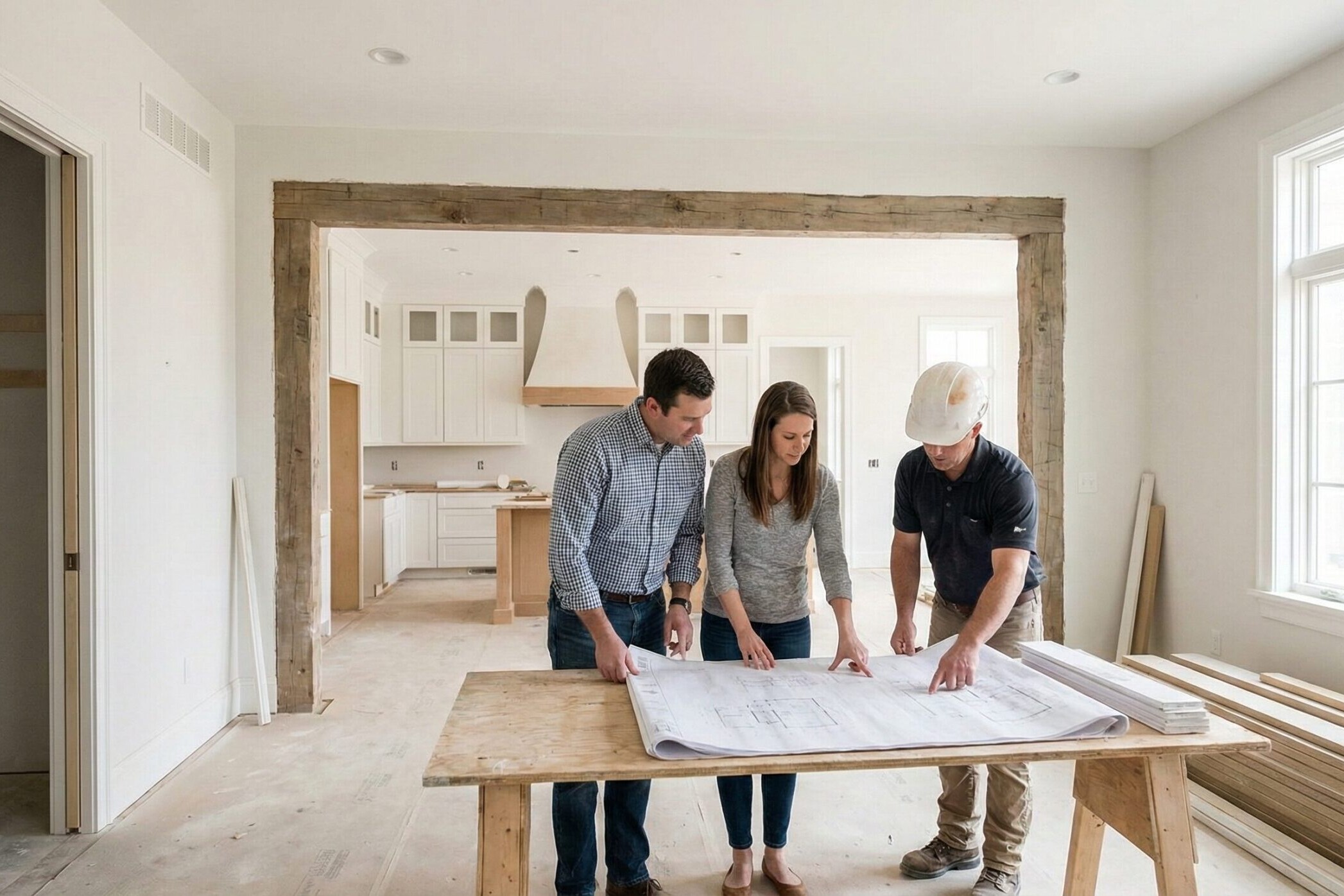
The most successful Boise whole-home remodel projects are those that put layout planning at the very beginning of the process. Before a single material is selected, we focus on the architectural “bones” of the home. These foundational decisions have the biggest impact on the final result.
The placement of doors, windows, and openings is paramount. Simply moving a doorway a few feet can unlock an entire wall for furniture or cabinetry. Shifting a window can flood a dark corner with light and create a new sightline to the backyard. During a major renovation, we evaluate every opening. Should a swinging door be replaced with a pocket door to save space? Should a small window be enlarged to capture a better view? Can we remove a wall entirely or create a large cased opening to improve the connection between two rooms? These choices define how light and people move through the space.
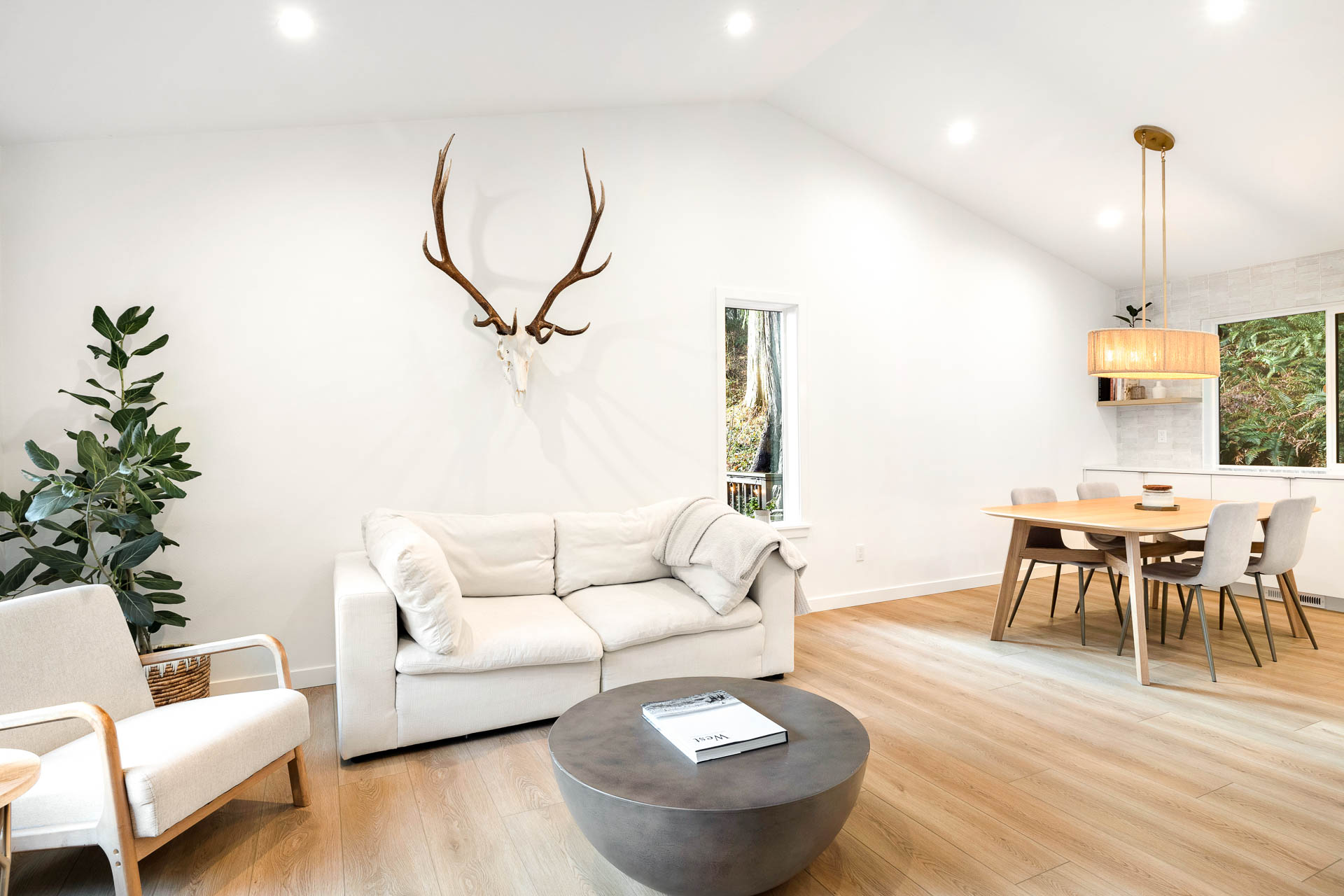
Next, we analyze room relationships. A flow-first approach rethinks how rooms work together. This often means creating an open-concept connection between the kitchen, dining, and living areas so the chef can be part of the conversation. It could also involve designing a private “owner’s wing” where the master bedroom, bathroom, and closet are configured into a seamless and logical suite. For families, it might mean creating better sightlines from the main living area to a playroom. This is the core of a high-end whole-home remodel: making the layout serve the occupants’ lifestyle.
Finally, we determine the right level of openness. While open-concept living is popular, it’s not always the right solution for every wall. Sometimes, a “broken-plan” layout is more effective. This uses cased openings, half-walls, or strategically placed columns to create distinct zones that still feel visually connected. This approach provides the benefits of an open layout, such as light sharing and social connection, while still giving each area its own defined purpose. This level of nuanced remodeling layout planning ensures the final design is both beautiful and highly functional.
Why Finishes Should Come Later
It’s tempting to jump straight to the exciting part: choosing tiles, countertops, and fixtures. However, a disciplined design process saves these decisions for the end, and for good reason. Finalizing the layout first is critical for both the budget and the long-term success of the project.
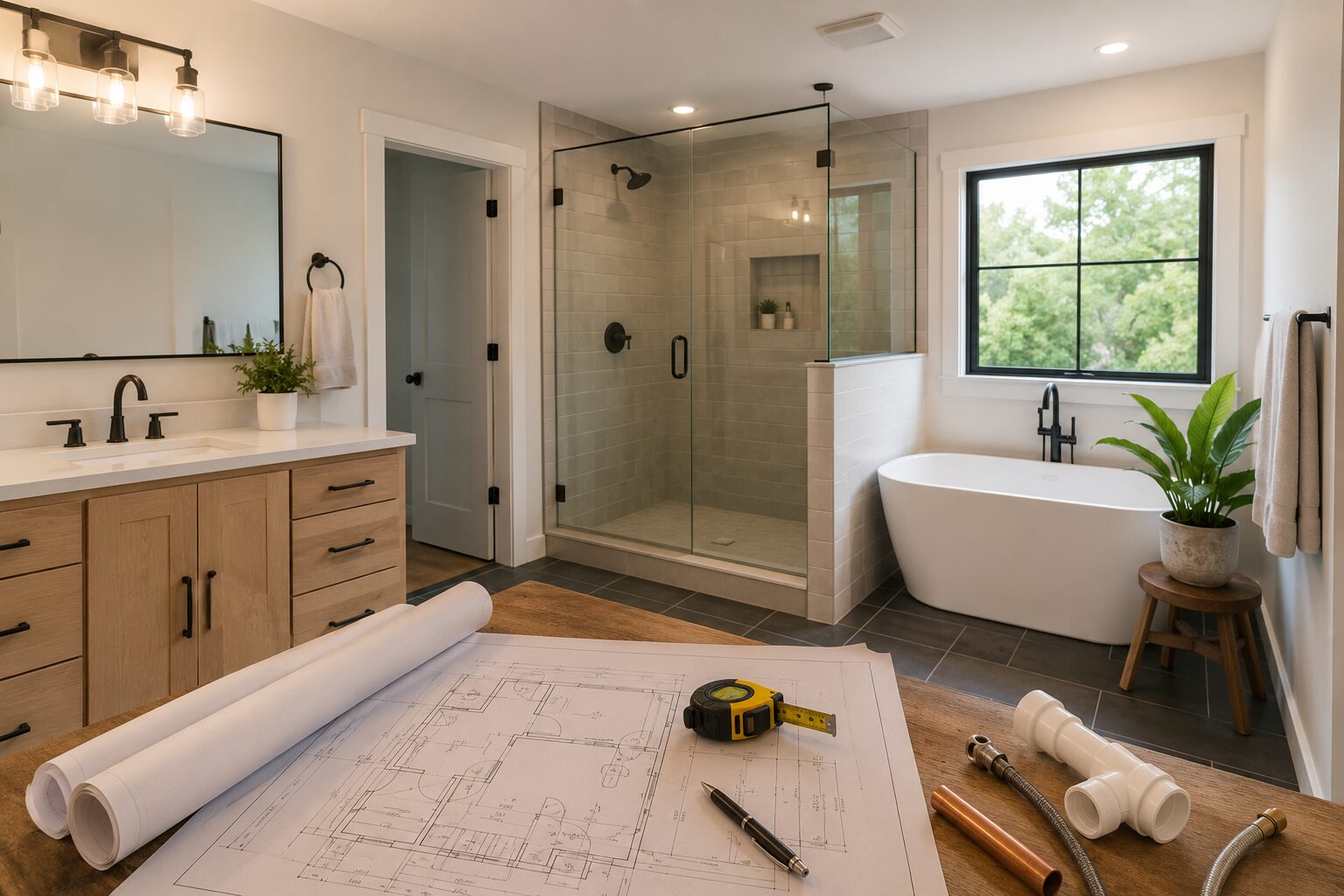
Think of it as a matter of proper sequencing. Your home’s layout is its skeleton. Finishes are the skin and clothing. You cannot properly dress a body until the skeleton is correctly assembled. Structural decisions like moving walls, relocating plumbing for a new bathroom layout, and running new electrical for an updated kitchen lighting plan must be locked in before you can accurately measure for cabinets, calculate tile quantities, or finalize faucet placements. Choosing finishes first often leads to compromises or costly changes down the road when you realize your dream tile won’t fit the new shower footprint.
More importantly, prioritizing flow ensures long-term flexibility and value. A home’s layout is the most permanent and expensive part of its design. While cosmetic finishes like paint colors, light fixtures, and even countertops will be updated every 10-15 years as styles evolve, a great floor plan is timeless. By investing in a whole-home remodel design that perfects the flow, you are creating a functional foundation that will serve you for decades. A home that works effortlessly will always be more valuable and enjoyable than one that is simply decorated with the latest trends.
Conclusion: A Home That Feels Intuitive
A truly luxurious home isn’t defined by the brand of its faucets or the price of its countertops. It’s defined by an intuitive quality, a sense of ease and comfort that comes from a design that just works. This is the result of prioritizing flow over finishes. When circulation paths are clear, rooms are logically arranged, and spaces feel connected, you create a home that supports and enhances your life instead of complicating it. The decoration is the final layer, but the intelligent layout is the enduring foundation.
If you’re considering a Boise whole-home remodel and want to create a space that is both beautiful and effortlessly functional, our team is here to help. We specialize in remodeling layout planning that transforms houses into intuitive, high-functioning homes. Contact Freimark Construction today to start the conversation.