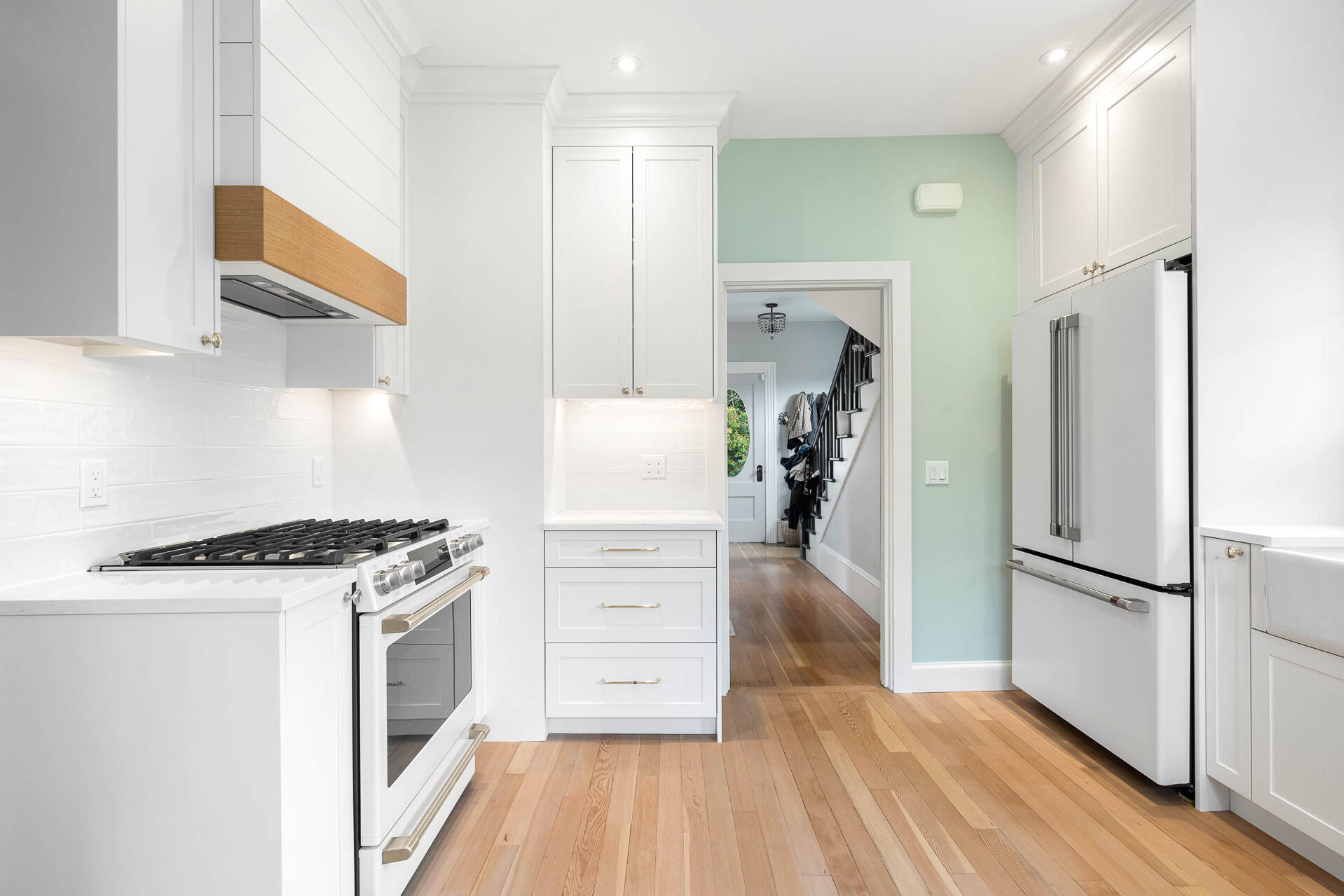
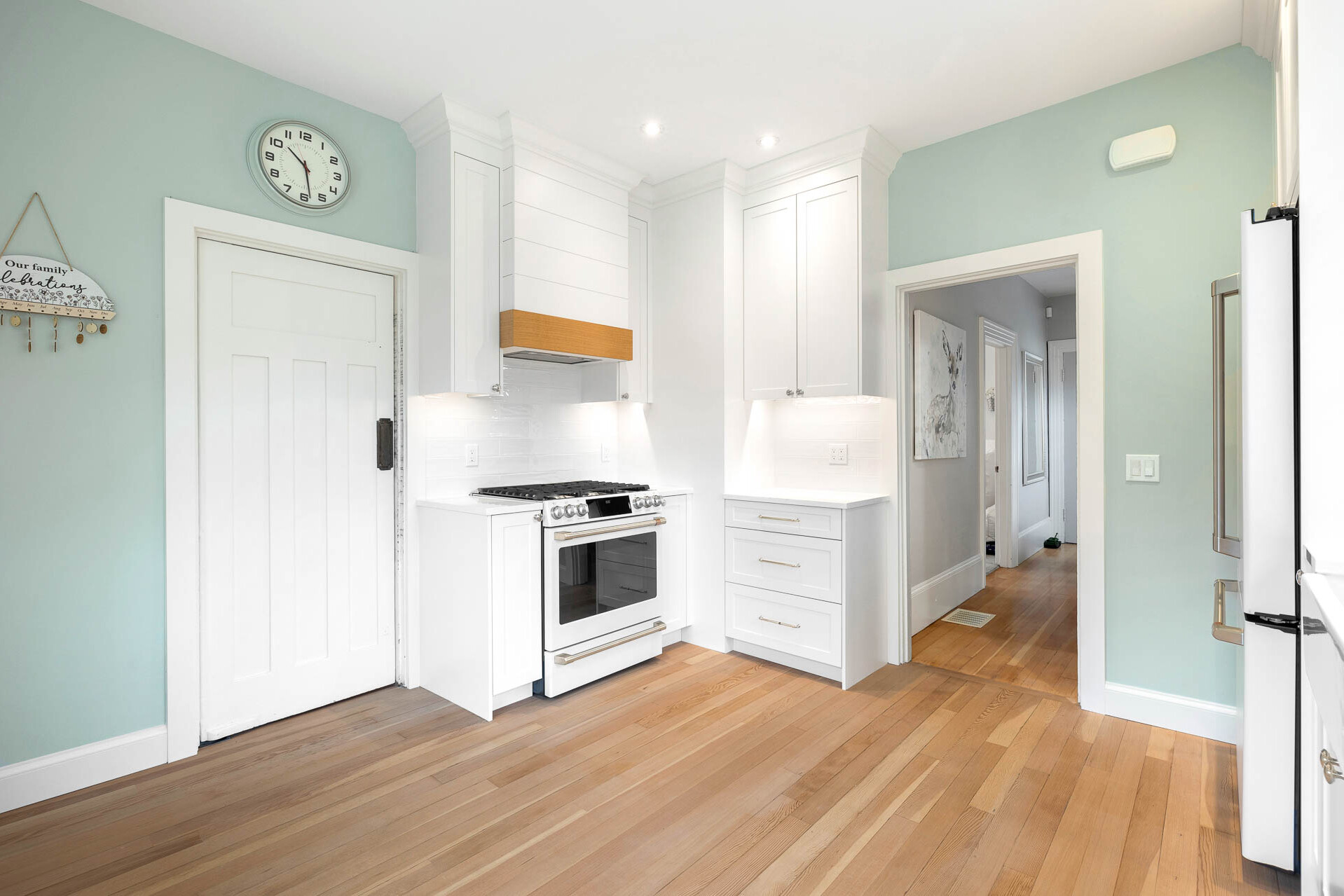
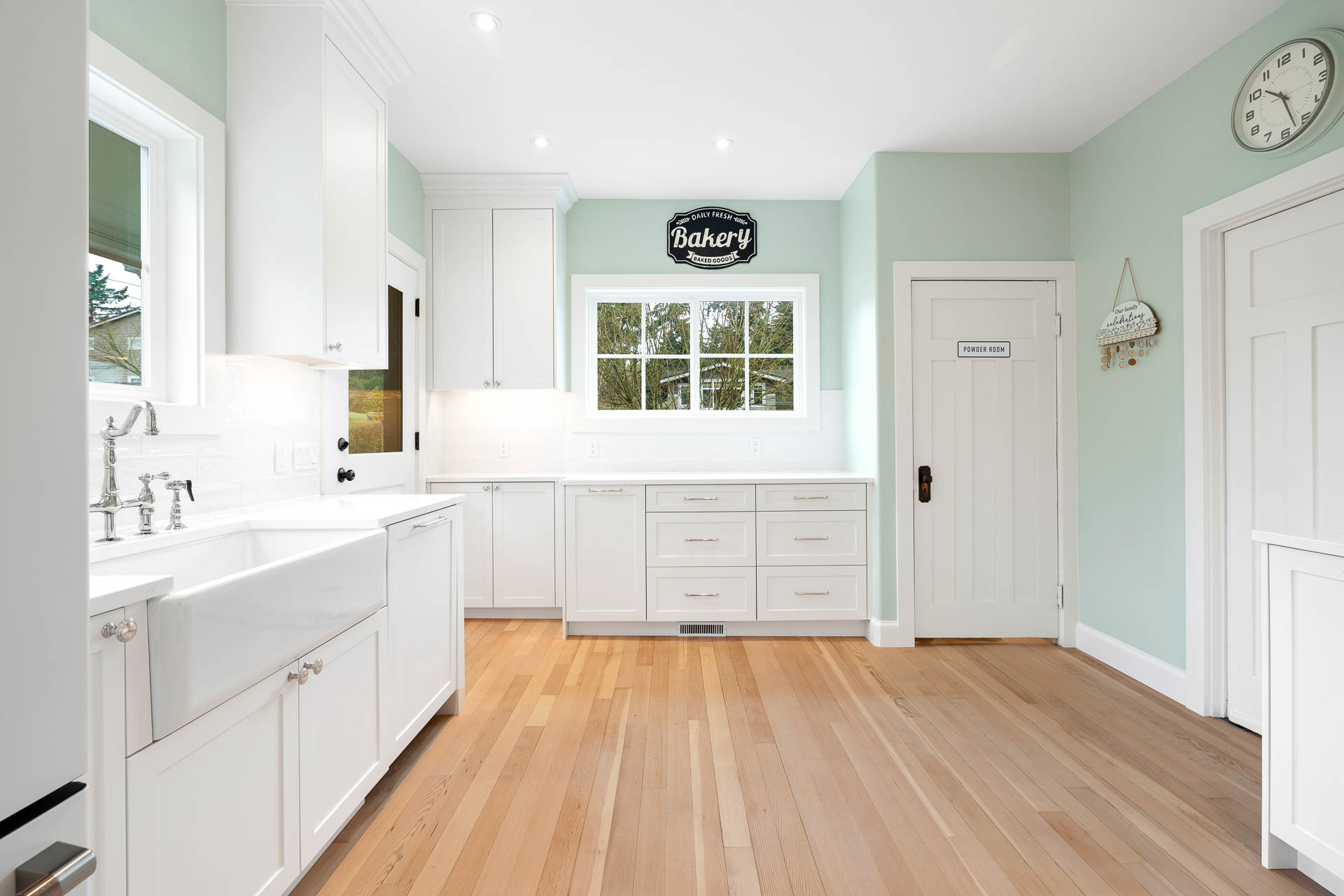
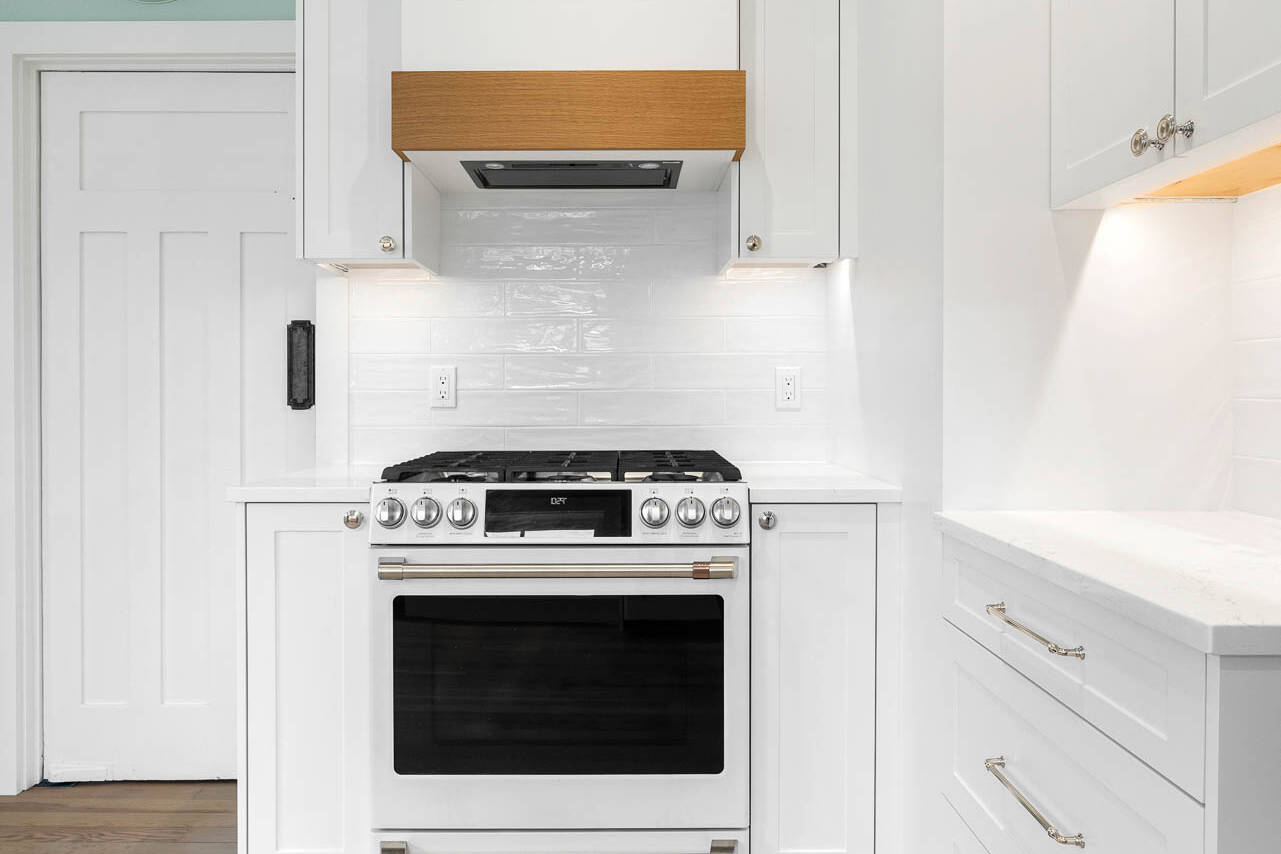
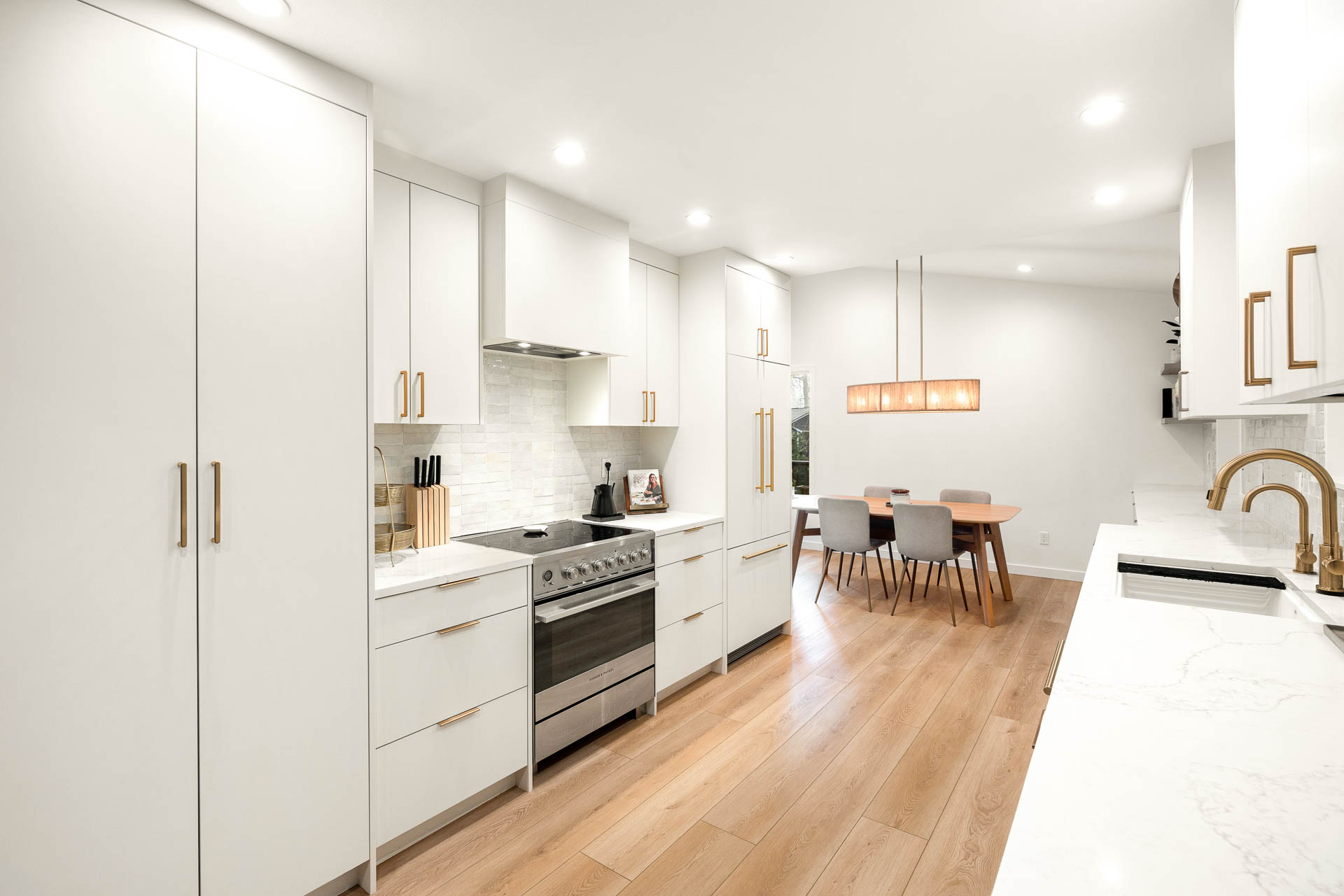
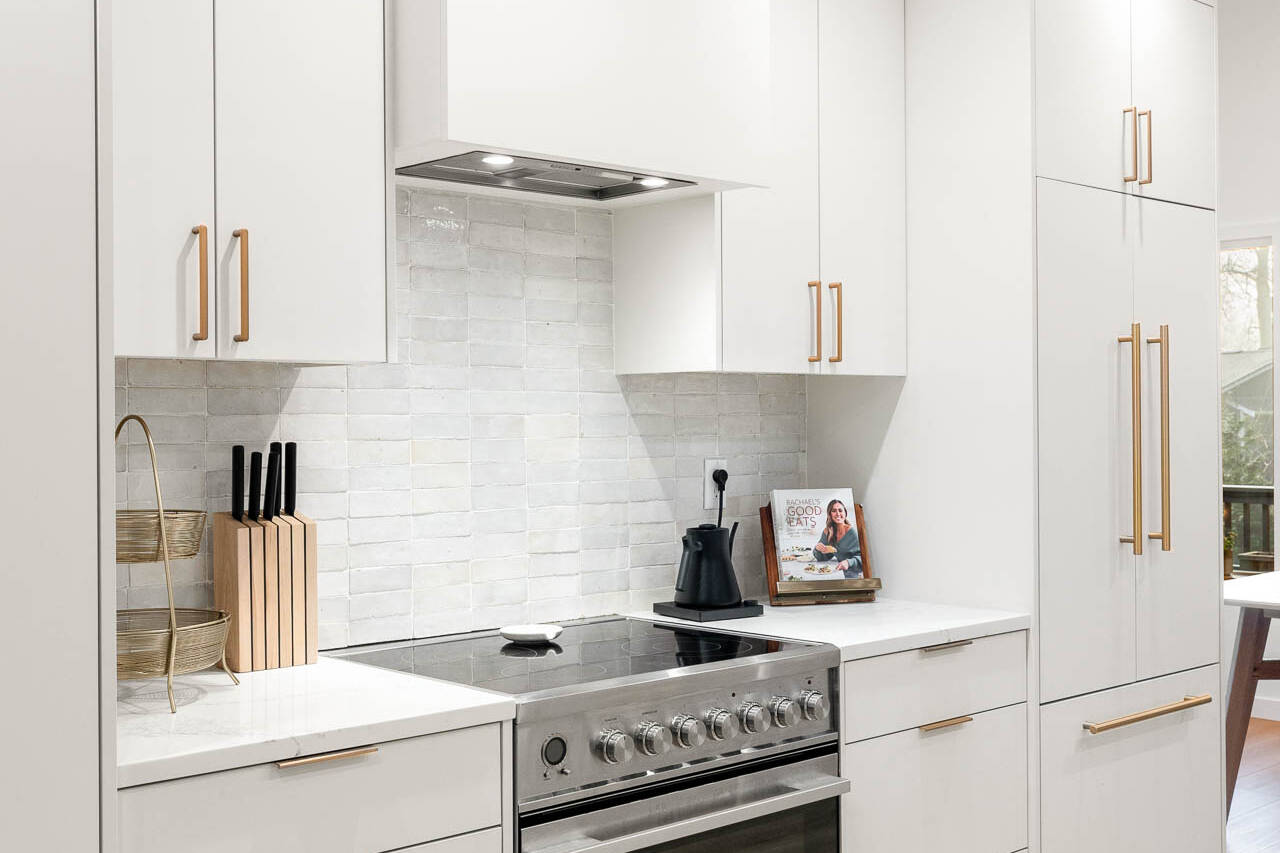
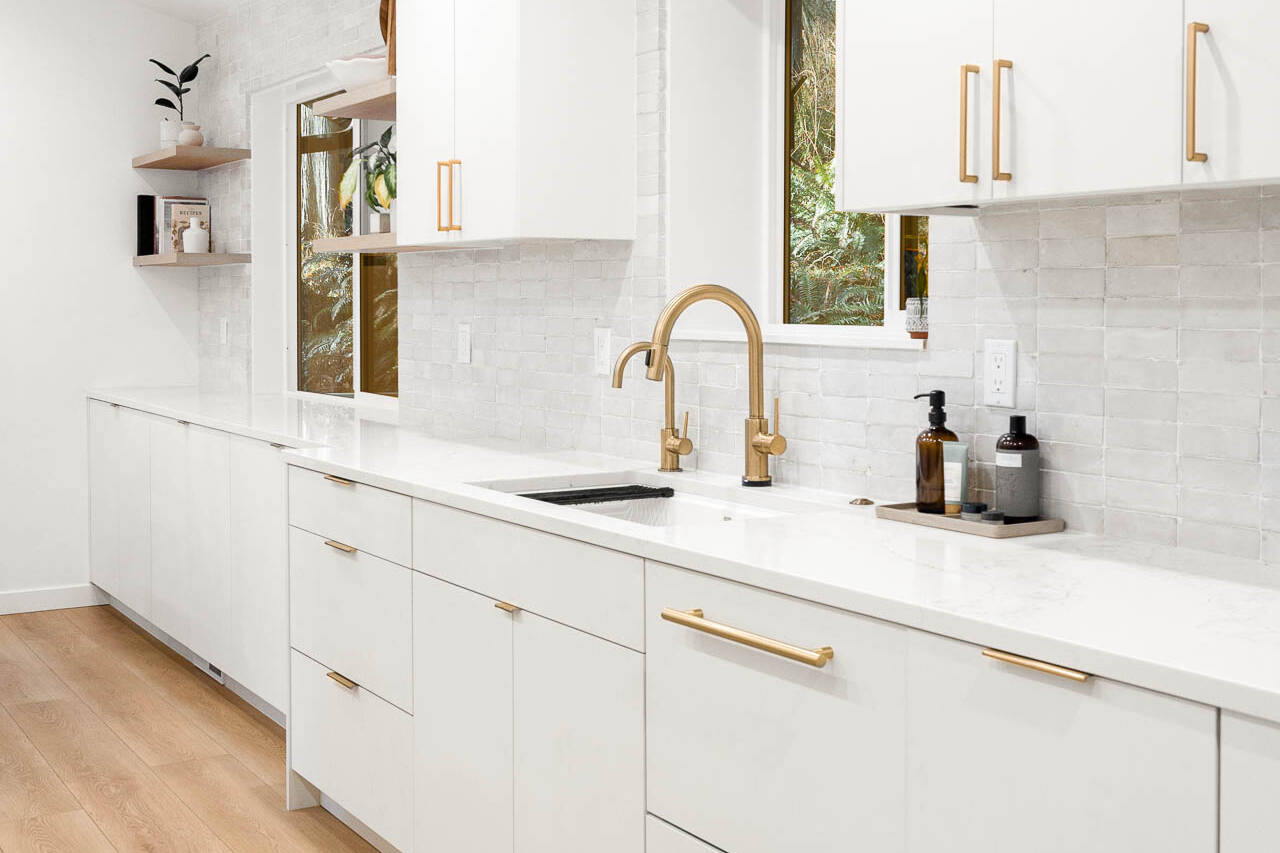
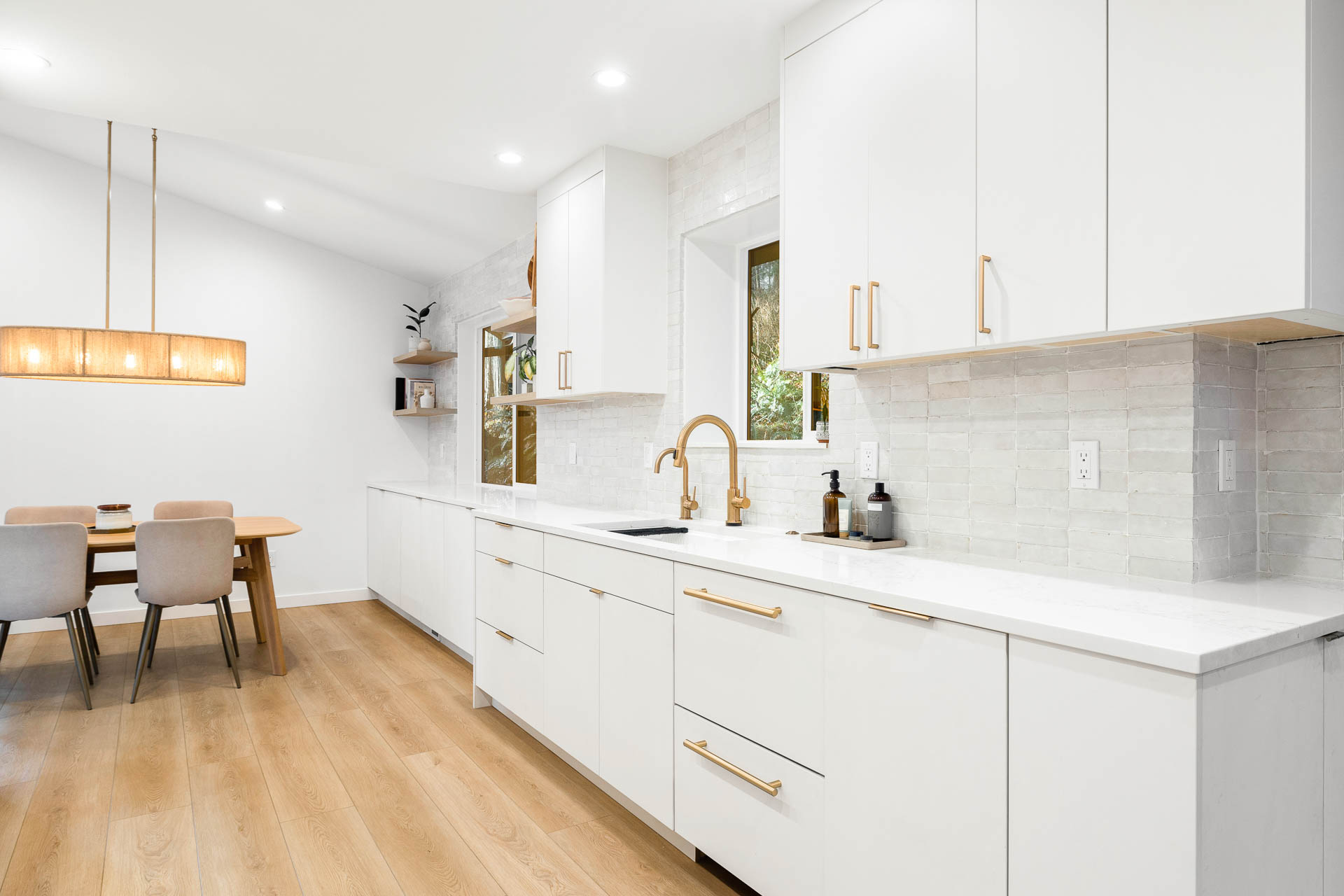
Planning a home remodel is an exciting prospect, but it’s often accompanied by one major question: “What will this actually cost?” Many homeowners turn to online calculators and national averages, getting a figure that seems manageable. Unfortunately, these numbers often represent a fraction of the real story. They create a false sense of security by overlooking the complex web of factors that contribute to the final price tag. Most homeowners unknowingly underestimate remodel costs because they are only seeing the tip of the iceberg. This article pulls back the curtain to explain the total cost of a home remodel, moving beyond simple line items to give you a complete, realistic financial picture for your 2026 project.
What Homeowners Think Remodeling Costs Include
When first budgeting for a remodel, most people understandably focus on the two most visible expenses: materials and labor. It seems logical. You have the cost of the beautiful new quartz countertops, the custom cabinetry, and the wide-plank hardwood floors. Then, you have the cost of the skilled craftspeople who will install it all.
While these two categories certainly form the largest portion of any remodeling budget, they are far from the only costs. Thinking that your final price is just materials plus labor is like planning a road trip and only budgeting for gas. You’re ignoring the costs of food, lodging, and unexpected detours along the way. A successful and stress-free remodel requires accounting for the entire journey, not just the fuel.
The Hidden Costs That Impact Every Remodel
The gap between an initial estimate and the final bill is often filled with necessary expenses that are not immediately obvious. These are not attempts to inflate a price; they are the fundamental, real-world costs required to complete a project correctly, legally, and to a high standard. Understanding these remodeling hidden costs is the key to creating a realistic budget.
Permits, Inspections & Code Compliance
Any significant home remodel involves navigating a maze of local regulations. These aren’t optional hurdles; they are legal requirements designed to ensure your family’s safety.
- Permits and Fees: If your project involves moving walls, altering plumbing, or changing electrical systems, you will need permits from the City of Boise or the relevant local jurisdiction. These remodeling permits and fees are a direct project cost.
- Inspection Delays: The permitting process includes multiple inspections at different stages of construction. A failed inspection can halt work for days or weeks until the issue is corrected and re-inspected, which can have a cascading effect on the schedule and labor costs.
- Code Compliance in Older Homes: Remodeling an older home, especially in Boise’s historic neighborhoods, often uncovers systems that are no longer up to code. For example, opening a wall might reveal outdated knob-and-tube wiring. The law requires that you upgrade these systems to meet current safety standards, a necessary cost that could not have been known before demolition.

Design, Engineering & Pre-Construction
A successful remodel doesn’t start when the first hammer swings; it begins months earlier with meticulous planning. This pre-construction phase is a critical investment that prevents costly mistakes down the line.
- Architectural Drawings: Detailed plans are the blueprint for your project. They ensure that your vision is communicated clearly to every person on the team, from the framer to the tile setter.
- Engineering: If you plan to remove a load-bearing wall to create an open-concept space, a structural engineer must be hired to calculate the correct size and specifications for the new support beam. Skipping this step is not only dangerous but illegal.
- The Selection Process: Choosing every finish, fixture, and appliance before construction begins is vital for creating an accurate budget and schedule. This includes everything from cabinet hardware to grout color. Investing time here prevents decision fatigue and costly delays later.
Schedule Risk & Time-Based Costs
Time is money in construction. Delays, no matter how small, can create a domino effect that increases costs. Professional contractors build schedules that account for these potential risks.
- Material Lead Times: Custom windows, high-end appliances, and specific tile selections can have lead times of several weeks or even months. Ordering these items well in advance is crucial to keep the project on track.
- Labor Stacking: A project must follow a specific sequence. Drywall cannot be installed until electrical and plumbing inspections are complete. Flooring cannot go in until the drywall is finished and painted. Any delay in one trade can push back every subsequent trade, leading to scheduling conflicts and potential fees.
- Uncontrollable Factors: Idaho weather can be unpredictable, and a surprise snowstorm can delay exterior work. A city inspector calling in sick can bring an entire job site to a halt. These are real-world risks that must be factored into a realistic timeline.

Contingency Budget Explained
No matter how well a project is planned, surprises can and do happen. A remodeling contingency budget is a fund set aside specifically to cover these unforeseen costs. This is your project’s safety net. It is typically 10% to 20% of the total construction cost. This money is not for adding a new feature you thought of mid-project. It is for dealing with problems discovered after work begins, such as finding dry rot in a subfloor, discovering a hidden plumbing leak, or realizing an existing foundation needs reinforcement. An adequate contingency fund protects you from having to compromise on your vision or halt the project due to unexpected expenses.
Living Adjustments During Construction
A remodel doesn’t just impact your home; it impacts your life. There are practical and emotional costs associated with living through a major construction project.
- Temporary Relocation or Adjustments: For a whole-home remodel, you may need to move out entirely. For a kitchen remodel, you will need to set up a temporary kitchen and plan for more takeout meals.
- Storage and Protection: Furniture must be moved and stored, either in a different part of the house or in an off-site storage unit. The remaining areas need to be sealed off to control dust.
- Pet and Family Safety: The noise, dust, and presence of workers can be stressful for pets and small children. Boarding a pet or arranging for children to stay with relatives during the most disruptive phases might be necessary.
- The Emotional Toll: Living in a construction zone is disruptive. Factoring in the cost of your own stress and inconvenience is a real, though unquantifiable, part of the process.
Why Low Estimates Often Ignore These Costs
When you receive an estimate that seems too good to be true, it probably is. Low-ball bids often achieve their attractive price by deliberately omitting the “hidden” costs we have just discussed. They present an incomplete picture that will inevitably lead to budget overruns and conflict.
These estimates often contain vague “allowances” for items like tile or lighting fixtures that are unrealistically low for the quality you expect. When you select the actual product, the price difference is passed to you as an “upgrade.” They may also have significant scope gaps, failing to include costs for things like demolition, debris removal, or proper dust protection. These missing items reappear later in the form of expensive change orders, causing your budget to spiral.
How Professional Remodelers Price Projects Responsibly
A professional, reputable remodeler approaches pricing with a commitment to transparency and predictability. The goal is not to present the lowest possible number upfront, but to provide the most accurate and comprehensive one.
A responsible proposal includes a highly detailed scope of work that outlines every single step of the project. It features realistic allowances for materials, based on a thorough discussion of your quality and style expectations. It accounts for all pre-construction costs, permit fees, and labor management. Most importantly, it includes a planned contingency fund and a realistic schedule. This approach minimizes surprises and ensures the number you agree to is the number you pay. The higher initial price reflects a more complete, honest, and predictable project from start to finish.
Conclusion: True Cost is About Predictability, Not Price
As you plan your 2026 remodel, it’s essential to shift your mindset from “price” to “predictability.” The true cost of a home remodel is not just the sum of materials and labor; it is the total investment required for a safe, legal, and beautifully executed project. A low initial bid full of holes is far more expensive in the long run than a comprehensive, transparent proposal that accounts for every detail. By understanding the hidden costs like permits, design, schedule risks, and living adjustments, you can approach your project with confidence and a realistic budget.
Get a Clear Picture of Your Boise Remodeling Cost
Before you set your budget based on an online calculator, talk to a professional. Understanding the full scope and true cost is the most important first step in any successful home renovation. If you are considering a remodel in the Boise area and want an honest, comprehensive look at your investment, contact Freimark Construction. Let’s start the conversation and build your vision on a foundation of trust and transparency.